

Subscribe to Our Newsletter
When it comes to the education system, most of us tend to hold a particular picture in our mind’s eye: a timeline from kindergarten or nursery to college and university, gradually increasing our skills in a classroom environment, surrounded by other children and young people our age who are working towards the same goal of reading with confidence and fluency.
What we don’t tend to think as much about is literacy and the justice system, and other external learning environments, such as adult learning, specialist education — and the education that happens within the justice system.
Here at Succeed With Dyslexia, we’d like to change that: we want to explore more about literacy and dyslexia within the adult and vulnerable learner population, as well as how raising literacy rates for those adult learners who are a part of the justice system might effect a huge shift in quality of life, life chances, and the ability to pursue jobs and careers.
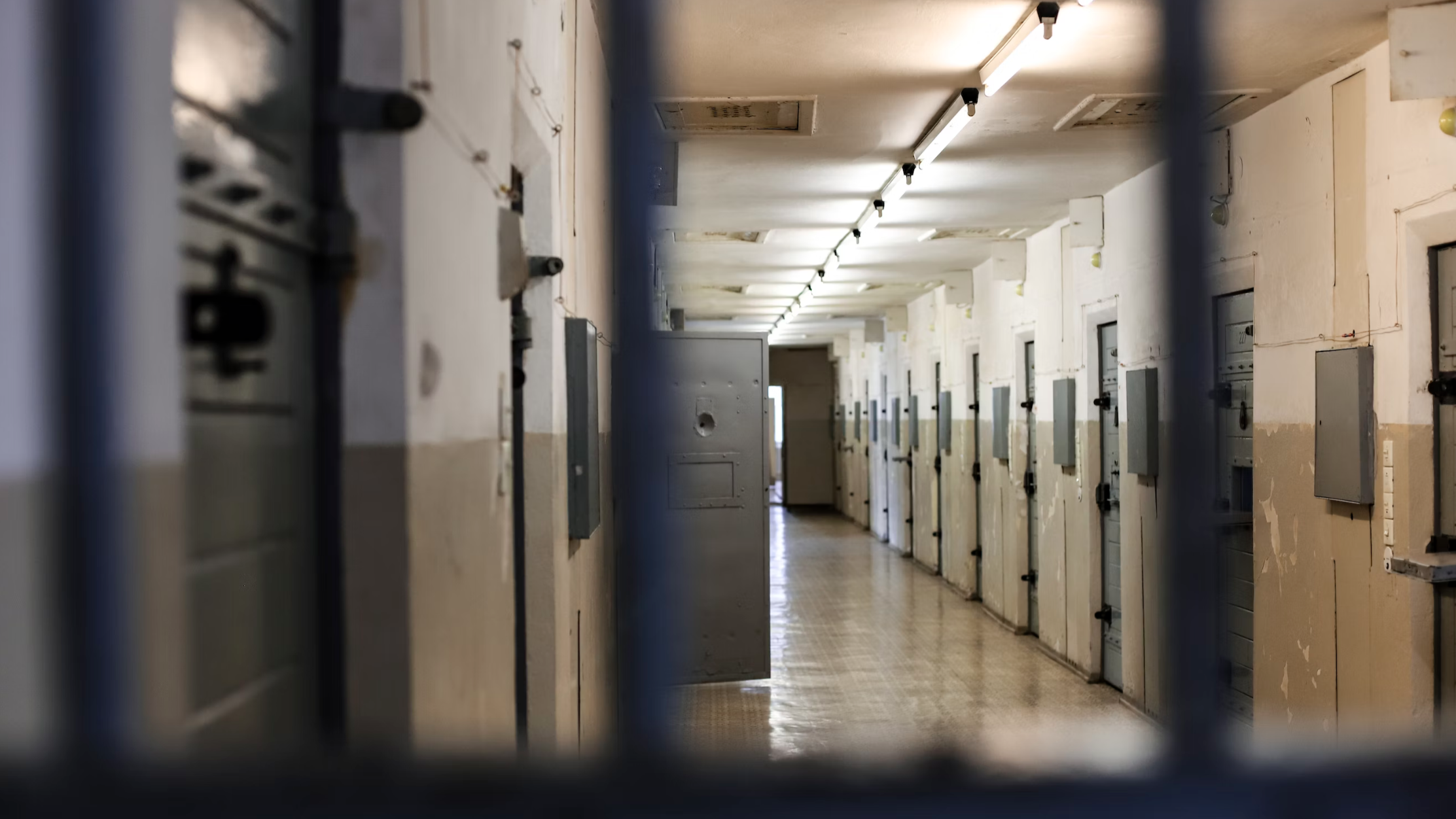
Ten things you’ve probably never heard about literacy and the justice system
- According to the Shannon Trust, over 50% of those in prison either can’t read, or struggle to. Although estimates and measuring systems for reading vary across sources, it’s sometimes thought to be as high as 70%. It’s a shocking figure, but it’s one that gives us a lot of important insight into some of the reasons why people might end up in the justice system, and what kinds of support frameworks will have the most powerful positive effect on life chances upon release.
- A 2021 report by the UK Chief Inspector of Prisons— ‘Neurodiversity in the Criminal Justice System’— suggests it’s entirely possible that half of the people entering the prison system can “be expected to have some form of neurodivergent condition which impacts their ability to engage” — that’s anything from Dyslexia to ADHD, Autism, Dyscalculia, Dyspraxia, and more. As of Summer 2022, the UK prison population stood at around 89,520… and by that rhetoric, around 44,760 of those individuals are likely to be neurodivergent.
- Speech and Language professionals who contributed to the call for evidence for the above research cited an estimate that a staggering 80% of prisoners had some form of speech, language or communication need.
- The ‘School to Prison Pipeline’ is a data-proven concept that originated in the United States used to refer to the disproportionate nature of youth incarceration and its beginnings in the education system. It provides a simple model of how Black and Brown youth in America are habitually disproportionately and unfairly disciplined compared to their white classmates, leading to sanctions, school exclusions and expulsions. This— and the general climate of their time in school altogether—often results in low literacy, disengagement from educational culture, lower life chances when they come to the end of compulsory schooling, and a higher likelihood of interactions with the justice system.
- Although the phrase ‘School to Prison Pipeline’ is the one that will turn up the most search results, there’s been a shift in recent times toward terming such models a ‘School-Prison Nexus’ to challenge the idea that it’s a one-way straight road that might lead an individual to interactions with the justice system and incarceration. It’s also led to more in-depth models emerging in scholarly literature that contextualise schools as only a part of a web of institutions, policies and practices that might result in low literacy and prison as a destination.

- In the UK, the nexus tends to be termed the ‘PRU (Pupil Referral Unit) to Prison Pipeline’ and although largely the same as a model, it operates slightly differently. The PRU is an alternative educational provision for those who have been excluded from school or are unable to attend a mainstream education, and we generally pinpoint this as the main transitional stage between an individual being pushed out of a school and into the criminal justice system. The Institute of Public Policy's 2017 Making the Difference Report notes that only 1% of learners in PRUs go on to get 5 good C-A* (under the new grading system, 9-4) GCSE grades.
- In UK data there's evidence that excluded pupils are 7 times more likely to have Special Educational Needs.
- There’s another large group of people present within the UK prison population that might struggle with their literacy too: those who come from other language backgrounds, or whose English is limited to spoken or conversational levels. There’s very little hard data on the amount of people in UK prisons who do have English as a Second Language, but rough estimates put the figure at about 10%, rising and falling dependent on the specific prison, its locality, and its function within the strata of incarceration establishments. In the US, the number is even higher: between 14.3% and 15.7% over the last decade. Lack of multilingual education provision within the justice system makes it far more difficult for these individuals to engage with learning opportunities offered to them as part of the prison setting.
- Available evidence from UNESCO’s Books Beyond Bars: The Transformational Potential of Prison Libraries report indicates that education is key to improving outcomes when formerly incarcerated individuals enter back into society. A meta-analysis of correctional educational studies in the US found that imprisoned individuals who continued learning whilst they were serving their sentence were 43% less likely to return to a prison setting than those who did not engage with in-prison learning opportunities. Employment was 13% higher in those who had been ‘exposed to a culture of learning’ whilst part of the prison population.
- The mathematics work out too: a study referenced the same report indicates that prison education programmes are one of the most cost-effective ways that we might lower rates of recidivism and support formerly incarcerated individuals upon release. The direct costs of accommodating in-prison learning were estimated to be between $1,400 and $1,750 per person. Re-incarceration costs lay somewhere between $8.700 and $9,700; meaning that financially, education largely proves to be the cost-effective solution, as well as the one that supports more and more previously incarcerated people as they re-enter society.