

Subscribe to Our Newsletter
This week (6 – 12 February) is Children’s Mental Health Week over here in the UK, and it’s a time where we focus on the mental and emotional wellbeing of the younger people in our lives. It’s been a difficult couple of years for many young people: we’re still only about eighteen months out from living under pandemic conditions. Months of extended school closures and social distancing taking place during a period where peer bonding is an important part of our emotional development had a negative impact on children and young people across the world, and that’s before we consider the additional impact of disrupted exam seasons and learning. It’s been a tough one— and those with dyslexia might have been finding things especially hard, even when things started to return to normal.

How can dyslexia impact children’s Mental Health?
Struggling to do things that classmates find easy can foster stress, anxiety and low mood in learners of all ages: things feel desperately unfair and it can make them feel isolated and frustrated, especially when the people around them don’t appear to be struggling. It’s often embarrassing to have to ask for extra help in front of their classmates, as is receiving constant low grades when they’ve put in a lot of effort. We can also pinpoint huge sites of stress in the sheer amount of reading that learners are expected to do in school. Knowing that you struggle with reading and living every day with the threat that you might be chosen to read aloud in front of the class can have huge negative effects on how learners feel about school… and themselves.
But the origins of mental health conditions rarely are simple, and they can have myriad visible sources. They might also appear to have none, and that's why seeking professional help from doctors, therapists and counsellors where appropriate is so important.
Be on the lookout for out-of-school sources of stress or anxiety too. They might feel like they’re missing out on reading a new book series that all their friends are, struggle to keep up with their conversations on social media, or that they constantly have to miss social events because they’re engaged in extra tuition or support after school. Dyslexia doesn’t stop and start at the school gate— it’s a whole-life condition, and can be just as impactful on their home and social lives, too.
This Children’s Mental Health Week, organisers Place2Be have designated the focus of their 2023 campaign as “Let’s Connect” - a call children, young people and those with children and young people in their lives to work on forging connections with those around them, to foster better mental health and create an open atmosphere in which they feel free to talk and listen.
How to connect during Children’s Mental Health Week

💭 Talk about your own mental health. Children and young people are much more likely to feel comfortable talking about negative emotions if you start by talking about your own. Also encourage these conversations between siblings and friends: it's never too early to start cultivating healthy peer attitudes towards mental health, as long as everyone knows where to ask for help when they feel like either they or somebody else needs it.
💭 Try starting a conversation that isn’t about mental health! Sometimes people- especially young people- can find talking about their mental health intimidating, or feel that there may be even sanctions involved with feeling sad or down, and it can lead to them covering up or ‘masking’ their mental health worries.
💭 Chat about the changes that are happening in their lives. Change happens fast in childhood. We move between school years, friendship groups, focuses and different parts of our lives very quickly, and especially since the pandemic, many young people might have felt like it hasn’t stopped changing. Technology, too, is moving forwards swiftly— global political situations are sometimes frightening, and current events like the cost of living crisis and energy bills might be weighing on them more than you think. Reassurance can go a long way, as well as just showing them that you’re there, and you’re listening.
💭 Bring up issues like bullying first. Sometimes taking the first step is the hardest, so it can help if you broach the conversation for them – admitting that they’re having issues with bullying might take months or even years of things escalating, so sitting down over a snack or even whilst spending quality time together can help to open up the idea and make them feel confident enough to speak out. Always talk about finding a positive resolution– narratives where you ‘just ignore it’ or ‘grow out of it’ often discourage people to seek help.
💭 Be open about neurodiversity and learning differences. When somebody is neurodiverse or has SEND, they do tend to have a higher instance of mental health problems in their lifetime. We need to support these children and young people emotionally, as well as academically— although it’s vital, reading support can only go so far when it comes to mental health and mood. Explore counselling or therapy if they’re struggling with the emotional side of dyslexia, and always make sure that children know that it doesn’t mean that they’re unintelligent, or ‘bad at school’.
You can also find more tips and tricks about exploring the different aspects of mental health with the children and young people in your life at Place2Be’s Parenting Smart.
Next Month: Catch SWD's Darren Clark on changing the narrative for learners with Dyslexia!
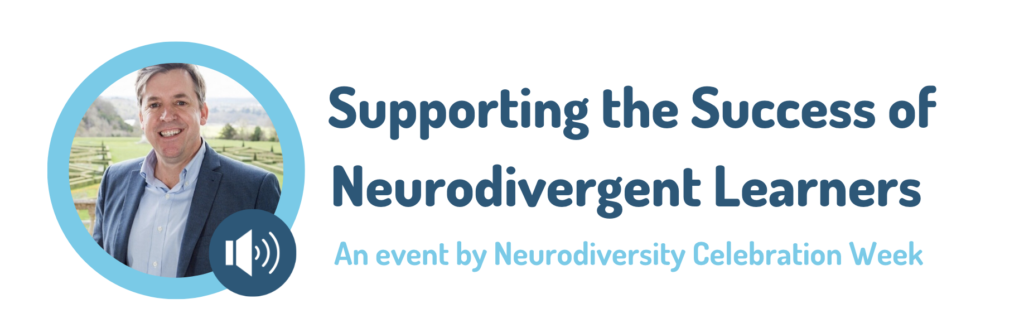
On the 16th of March 2023, you can catch Succeed With Dyslexia’s CEO Darren Clark talking about his own experience of dyslexia at a young age at the online panel event ‘Supporting the Success of Neurodivergent Learners’. Hosted by Neurodiversity Celebration Week, it’s a frank, expert-led discussion about how the education system functions for neurodivergent learners and how the integration of better support for neurodivergent minds needs to be at the heart of change going forwards.
You can find out more and register for the event at Neurodiversity Celebration Week: Supporting the Success of Neurodivergent Learners.