
Subscribe to Our Newsletter
Born in 1865, William Butler Yeats is a name that you might recognise from your English classes if you went to school in the UK. He’s an Irish poet famous for his works in the symbolist poetic tradition, using allusive imagery and ideas from classical art and literature to suggest meaning and create vivid depictions and pushing back against the mainstream modernist predilections for free verse and exploratory poetry. Yeats’ works are both passionate and perilous, landscapes urban and rural subsumed by their preoccupation with an almost pre-Raphaelite sensibility, and commonly pervaded by the doubt and the uncertainly that characterises the turn of the century in western poetic writing. Simply put, they guy was a bit of a powerhouse - and it just so happens that he probably had dyslexia too.
Although there was never a formal diagnosis of Yeats’ dyslexia, there’s a lot of evidence to suggest that the poet did in fact have some kind of literacy differences that stayed with him from childhood to his mature writing career. In his autobiography, he describes the frustrating experiences of his early educational foundations: “Several of my uncles and aunts had tried to teach me to read, and because they could not, and because I was much older than the children who read easily, had come to think, as I have learnt since, that I had not all my faculties.” It’s something that might sound familiar to anybody who has experience of struggling with dyslexia in an educational setting and not receiving the support they need (although we’d strongly advise against the term ‘had not all my faculties’).
Yeats also describes his learning experiences as difficult in other ways too. He explains that as a child he found himself “…unfitted for school work, and though I would often work well for weeks together, I had to give the whole evening to one lesson if I was to know it. My thoughts were a great excitement, but when I tried to do anything with them, it was like trying to pack a balloon in a shed in a high wind.” And although it’s most commonly suggested that Yeats potentially had dyslexia, imagery like this also suggests that he may have perhaps had something like ADHD too – the inability to order what he learned and make sense of an ‘excitement’ of thoughts like Yeats describes is imagery that many people who have ADHD describe their thinking process as similar to. It’s certainly not unheard of for the two conditions to co-occur, either – in fact, some research suggests that somebody with dyslexia has a much higher chance than usual of having ADHD.
So how, then, with such an uninspiring experience of education, did William Butler Yeats become a poet that defined a genre, an era and a nation?
Oddly enough, a lot of it was down to his dad. And not in that irritating ‘his dad got him a job at a high-end publishing house and got them to publish his first pamphlet’ kind of way that you’d expect either, although the family were well-to-do and connected in the arts. The Modernist artist John Butler Yeats was actually fairly supportive when it came to his son’s literacy differences. He used to read to him aloud as they walked together out of doors, and inspired a love of the written word in his son though hearing poetry, instead of reading it or writing it. Yeats remembers the events warmly in his autobiography, and cites it as his first emotional connection with the poetic form-
“My Father read out poetry for the first time when I was eight or nine years old. Between Sligo and Rosses Point there is a tongue of land covered with coarse grass that runs out into the sea or the mud according to the state of the tide. It is the place where dead horses are buried. Sitting there, my father read me The Lays of Ancient Rome. It was the first poetry that moved me.”
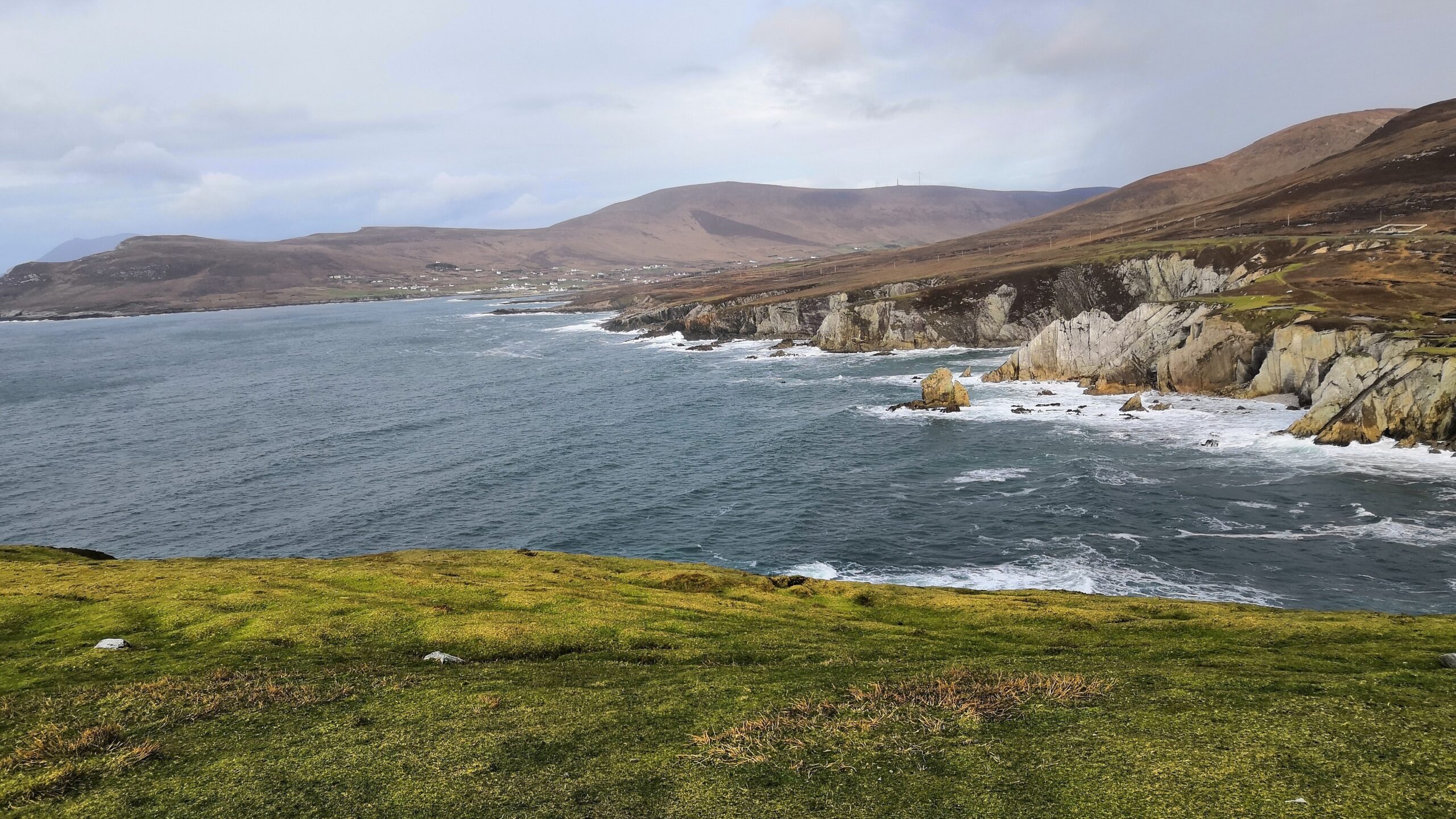
John Butler Yeats was instrumental in his son's poetic imaginings from the beginning. There is also a less heartwarming anecdote where Yeats’ describes his father as sometimes throwing a book at his head, so maybe hold onto that ‘Father of the Year’ award for the time being – but it’s interesting to note that it was The Lays of Ancient Rome that inspired such an emotional response in the young poet. Thomas Babington Macaulay’s 1842 collection of narrative poems recount episodes in Roman history with strong dramatic and tragic themes not dissimilar to those we’d find in Yeats’ own poems much later on – so the event and the ideas clearly stayed with him a long time.
Yeats began writing poetry properly when he was seventeen. Heavily influenced by the works of Percy Bysshe Shelley, Edmund Spenser’s The Faerie Queene, he wrote in a conventional, often pre-Raphaelite fashion about magicians, German knights and the perils of being accused of paganism by local shepherds – basically what every seventeen-year-old boy worries about. But as her matured as a poet, he turned to the writings of William Blake and the Irish folkloric and mythological subjects that he would become the most famous for. Exploring history and community through a complex blend of landscape and fantasy that inspired the next generation of Modernist poets like W. H. Auden, Ted Hughes and Dylan Thomas, and often being hailed as the one of the key influences in Celtic Revival in Irish culture.
Yeats was awarded the Nobel Prize for Literature in 1923, and remains to this day one of Ireland’s best-selling and most recognised poetic figures. Not too shabby an achievement for somebody who struggled with their reading and writing, and a testament to the amazing things that neurodiverse people can achieve.