
Subscribe to Our Newsletter
Today, we're taking about the famous artists with dyslexia who have changed the art world forever.
Dabbling in watercolours or creating wild and impossible worlds on the canvas can be a wonderful creative outlet – from de-stressing after a hard week at work to creating something colourful and quirky to perk up your living room wall, art is a powerful force for good not only in the world, but for our mental health too.
People with dyslexia can find themselves drawn to art as a visual medium as it allows them the ability to express the creativity and outside-the-box thinking that they’re often very good at. Vivid imaginations, stronger practical understanding and the ability to innovate are strengths that very much play into the artistic field, and it’s no surprise that some of our most renowned artists have displayed behaviours associated with dyslexia and literacy differences.
- Pablo Picasso
Pablo Picasso is one of the most well-known painters of the 20th century, and has become known for the iconic shattered or distorted facial image that your high school art teacher probably had on favourite mug. Whilst attending parochial school, the young Picasso had many issues with literacy and constantly complained of letters reversing themselves – but instead of sitting idly by and letting the lessons go on around him, he often used to sketch his schoolroom and classmates to pass the time. At the time, he was described by a teacher as having ‘reading blindness’ – an inability to read properly that didn’t seem to have any noticeable impact on any of his other skill sets.
After enrolling at the Barcelona School of Art, Picasso’s skill went from strength to strength, and it’s been suggested that his dyslexia experience may have inspired the reversed and disjointed images that his work has become so famous for.
2. Auguste Rodin
François Auguste René Rodin is one of the nineteenth century’s most prominent and recognisable sculptors, creating iconic masterpieces like The Kiss, Monument to Balzac and The Thinker. As a child, his educational experience was fairly grim – he exhibited common symptoms of dyslexia and struggled to read from an early age, with even his own uncle declaring him once to be ‘entirely ineducable’.
Many of Rodin’s most notable sculptures were criticised by the artistic establishment and deemed unsaleable at the time due to their innovative and earthly nature. Straying from the accepted traditional subjects of mythology and allegory, he focused on the human form and natural representation, celebrating individual character in his art – and as it turns out, the establishment may have got it wrong, as by the turn of the century, Rodin was one of the most famous artists in the western world.
We now study his work all over the globe and often refer to him as the ‘Father of Modern Sculpture’ – not bad for someone who was ‘entirely ineducable’, eh, uncle?
3. Leonardo da Vinci
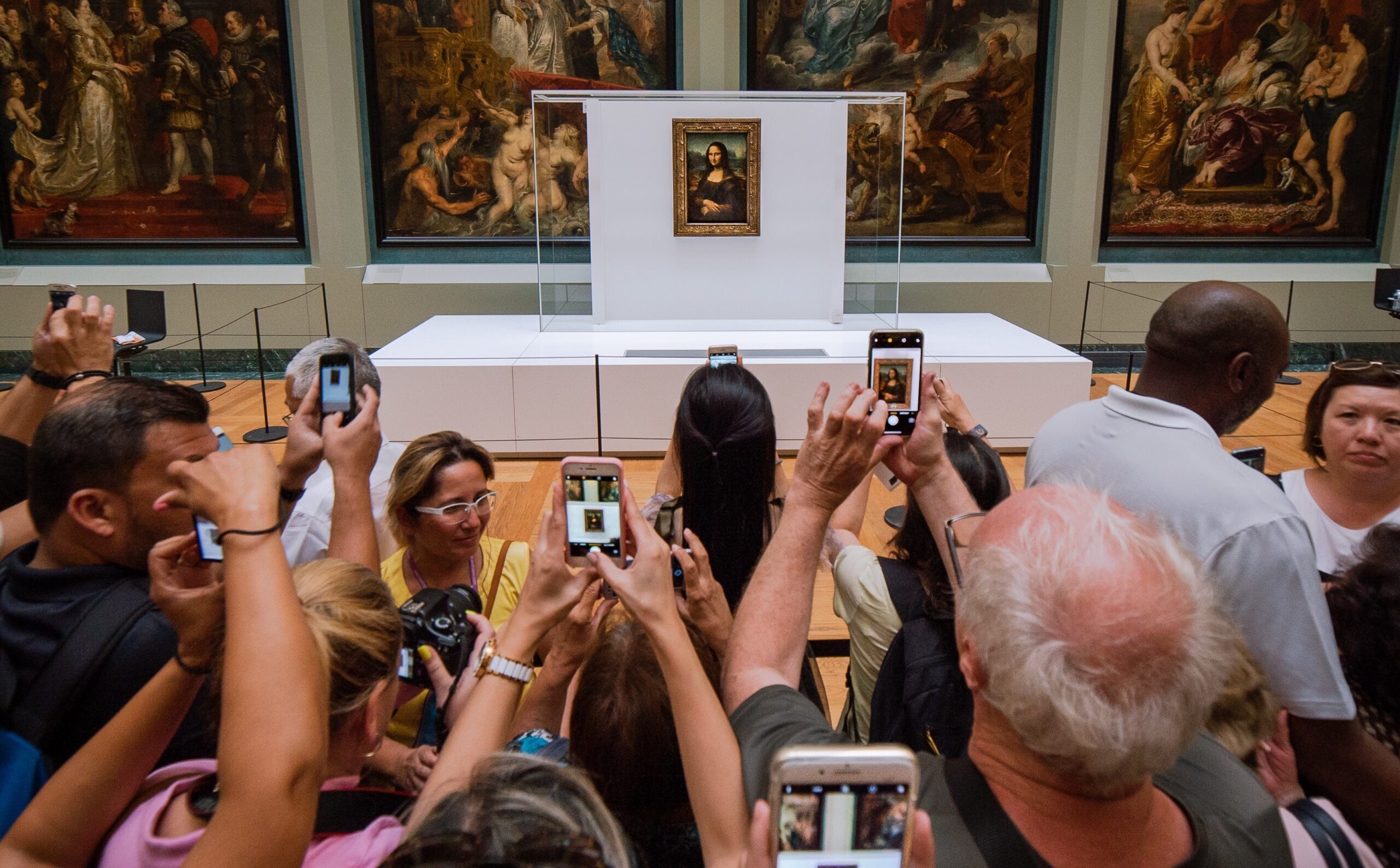
Leonardo da Vinci is one of those frustrating people who seem to be good at almost everything – a bit like that rugby guy you went to school with who everybody likes and he got 10 A*’s at GCSE too. The Last Supper, The Mona Lisa, helicopters, parachutes and diving suits – he created and invented them all. Embodying the archetype of the Renaissance polymath, we celebrate Leonardo’s inventions, his art, his cartography and his sculpture internationally – and what’s interesting is that we actually have some relatively compelling proof that he had dyslexia, too.
We have many different sketches and notes from the man himself preserved in museums and private collections, and one striking thing about these written materials is that most of the time he wrote his notes in mirror image, the lines and letters completely reversed. Although it’s an unusual trait, it’s one shared by a large number of left-handed people with dyslexia – most of the time the writer isn’t even aware that they’re doing it, it’s simply a more natural and easier way for them to write something down.
4. Andy Warhol
Yes, it’s the soup can guy.
Andy Warhol was an American artist who was a leading player in the Pop Art movement and indeed, the artistic pantheon of the later twentieth century. His works explore the complex interactions between modernity, celebrity culture and commerce, and you probably had a poster of one of them in your dingy second-year flat at university covering up some kind dodgy (mould? Wine? Minestrone?) stain on the living-room wall.
Warhol was never formally diagnosed with dyslexia, but researcher and biographer Wayne Kostenbaum writing in the New York Times has suggested that his notebooks contain clear evidence of his dyslexia, featuring trademark reversed letters and an abundance jumbled spellings- ‘veido’ for video; and ‘polorrod’ for polaroid.
It's interesting to think that some of art's most inspiring figures had dyslexia or literacy differences, especially when we consider the links that research has made between dyslexia and creativity. Perhaps you're teaching, parenting, mentoring or indeed are the next big thing to happen in the art world - just make sure to tag us on socials when you end up in the MoMA!