

Subscribe to Our Newsletter
If you have dyslexia, you probably know that reading a book, tackling a worksheet, or even looking over a work report can occasionally feel like climbing a mountain.
It can take so much effort to figure out each word that you’re left with hardly any energy to enjoy or understand what you’re reading; no wonder it can feel exhausting, even when you really want to dive in.
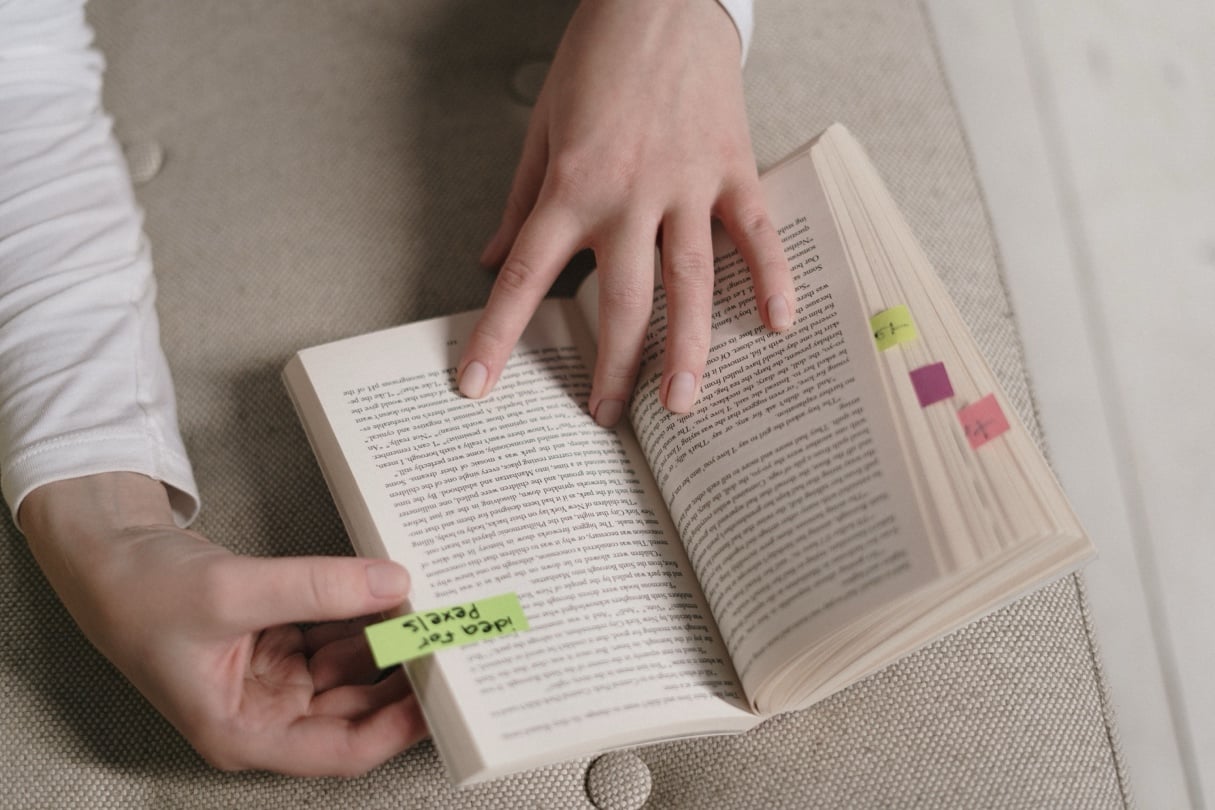
But here’s the truth: dyslexia isn’t about how smart you are. It just means your brain has its own special way of working with words.
The good news? With the right tools and a few simple tricks, reading doesn’t have to feel like such a struggle. Here are some ideas that can help make reading easier, and possibly even a little more enjoyable.
Harness the power of assistive technology
Reading pens are revolutionary for lots of people with dyslexia. These handy tools scan words on a page and read them out loud, either through a speaker or headphones. It’s like having a friendly reading buddy right there with you.
With a reading pen, you don’t have to get stuck on tricky words or feel like you always need to ask for help when something doesn’t make sense.
Just scan the word or sentence, and you’ll hear it read out loud while you follow along. It helps you keep your place, build confidence, and read independently. The best part? You can take on books, exams, or work stuff at your own pace.
Pair text with audio (bimodal reading)
Using more than one sense at a time can make a big difference when you’re reading. Try listening to an audiobook while following along with the words on the page or screen.
When your eyes follow the words and your ears pick up the story, you don’t have to worry so much about figuring out every letter.

You can enjoy what’s happening. Apps like Audible, Libby, and e-readers with speech features make it easy to pair print and audio.
Customise your visual environment
If you find that words look crowded, blurry, or seem to move around on the page, you’re not alone. Lots of people with dyslexia experience this. The good news is that a few simple changes can make things much easier on your eyes:
- Try using tinted overlays or coloured paper. Black text on bright white can be tough to read, but cream, pale yellow, or soft blue backgrounds can help the words stand out.
- Switch to dyslexia-friendly fonts when you’re reading on a screen. Fonts like Arial, Verdana, OpenDyslexic, or Lexie Readable can make a real difference.
- Try making the text bigger and adding more space between lines and letters. This can help stop the words from blending together.
Narrow the focus with a reading guide
A page full of text can feel overwhelming, and it’s easy to lose your place. Try using a ruler, an index card, or a reading strip to cover up the lines below the one you’re reading. Focusing on just one line at a time can make it much easier to keep track.
Read in short, intentional sprints
Reading takes a lot of brainpower, especially when you’re decoding every word. Reading for a long time without a break can leave you feeling frustrated and make it harder to remember what you’ve read.

Instead, break your reading into smaller chunks. Try reading for 15 or 20 minutes, then take a quick break to move around, rest your eyes, and think about what you’ve just read. Creating small, realistic goals helps you keep going and makes reading feel more doable.
Reading with dyslexia isn’t about forcing yourself to fit into someone else’s way of doing things. It’s about finding the tools and tricks that work for you and your brain.
With things like reading pens and a few simple changes to your reading setup, reading can go from feeling stressful to being something you enjoy, and maybe even look forward to.