

Subscribe to Our Newsletter
After what probably feels like three solid months of getting ready for it, the festivities are drawing to a close. In the countries that celebrate Christmas, we’re mentally taking down the fraying tinsel and finally eating something that didn’t start life as an oven-ready turkey, and looking towards the new year maybe with a little trepidation. It’s a wonderful time to touch base with friends and family and ring in the start of something new and hopefully a little less, er, pandemic-y, but it also comes with a fresh set of expectations too – and these can feel a little exhausting, especially when you’re neurodiverse.
Social media is a wonderful platform for connecting with our peers and showing that we care even though we might be hundreds or even thousands of miles away. It’s also a great place to take part in the communities that matter to you, and learn new things… but it’s got a flipside that can have a negative impact on our mental health too. It can suggest that our bodies aren’t ideal, that we don’t have enough money and that we’re not working hard enough, or that we’re failing those in our care because they don’t have all the leisure items and resources that other parents and carers appear able to give to their own children with what seems like apparent ease. The things we see on social media we internalise with a startling ease and regularity, and sometimes we just need to take a break from the endless scrolling. And at this time of year, things can really reach fever pitch when it comes to the kind of posts that might make some of us feel a little inadequate or small.

#NewYearNewMe is a hashtag that’s been given to those syrupy January 1st posts for a good few years now, where there’s often a little reflection on the past year and some hope for the future to follow it up. In the pure form, it’s pretty cute, and a nice way of showcasing your hopes and dreams for the coming twelve months. But in the form we usually see it, it’s actually often kind of negative – people will habitually use the past twelve months as a ‘before’ shot, saying how they’re unhappy with an aspect of their life, and use it as a catalyst to inspire themselves to change in an ‘after’ statement. “Things are bad, but I’m going to make them better” is admirable – but it’s also a little bit fraught with judgment, too. And for some of us, perhaps especially for those of us who are neurodiverse or struggle with our mental health, when these posts come rolling in at around 11pm on the 31st , there’s a chance that it might end up with some people watching the fireworks and feeling a little down in the dumps.
Here are a couple of examples.
For somebody who lives with depressive episodes and self-worth problems, seeing somebody post about where they are dissatisfied with their own life can make them reflect poorly on their own. If you have a pal on Facebook saying that 2022 is going to be the year she upgrades from a two-bed terrace to a three-bed semi, if you’re living with your friends in a house-share, or with your parents, you can feel like you’ve failed a little bit, or that you’re not on the same level as your peers. It can also trigger increased feelings of anxiety and stress in people who live with these conditions. The feeling that we’re on a timed schedule where we have to achieve things by certain milestones is a common one, especially in young people, can be debilitating when it comes to maintaining good mental wellbeing and staying on an even keel during the holiday season. So posting that you want to change careers is great – “2022 is the year I’m going to pass my exams and become a barrister!” is a wonderful thing to aspire to, but “2022 is the year that I finally get out of my dead-end cashier job at ‘Cheap Groceries 4 U’” is less so.
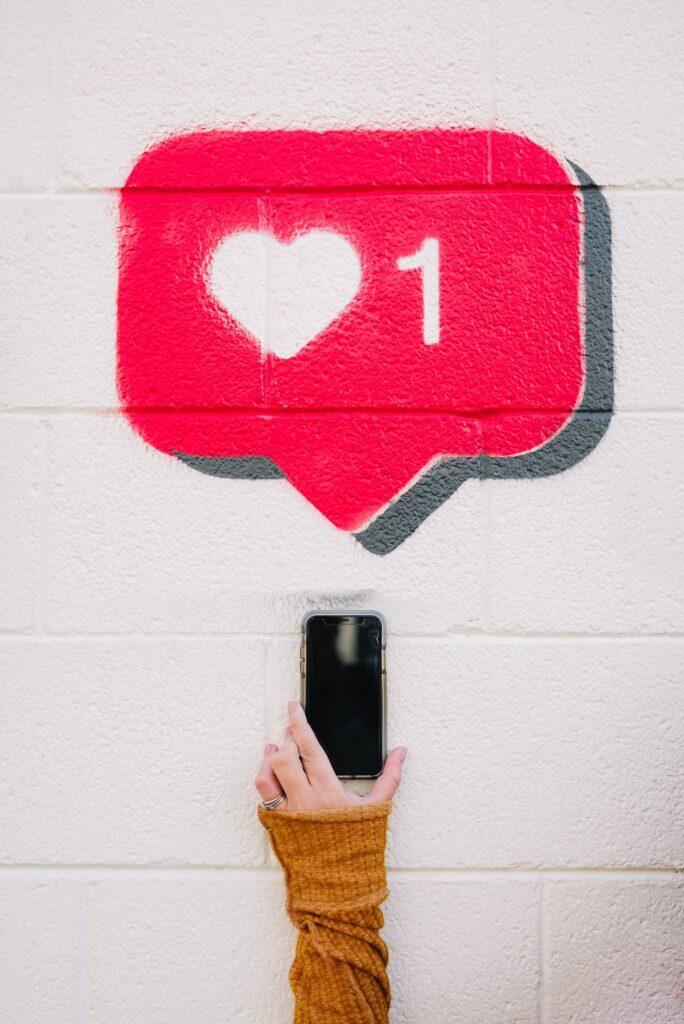
Think about what you’re saying when you judge your own life, and how when you put something out onto social media, you’re actually alluding to the idea that the people reading it should use those parameters as a measure of success too. Somebody might be very happy to be working at ‘Cheap Groceries 4 U’; might be proud of all they’ve achieved there, or happy to be in a role where they’re able to see the impact of the efforts they make every day. They might be proud of having a job at all, or amazed that they’ve managed to overcome their anxiety problems or literacy differences to the stage that they’re able to hold down a full-time position. We’re all different, and although it’s a small change to make, it’s important to remember that not everybody reading your status has the same idea of success as you do. And it's a great way to practice being kinder to yourself, too.
Here’s another one: if you’re posting about how 2022 is going to be the year that you finish your novel, your PhD or read 100 books in a year, make sure that you’re not phrasing it in terms that could make people who struggle with their literacy feel belittled or small. “2022 is the year I’m going to read 100 books!” is a great goal for a fresh start, but “2022 is the year I finally stop being lazy and read some books!” is less so. There are people out there who find reading pretty difficult - if you’ve got dyslexia, getting through a couple of books independently might be your goal for the next 12 months, or if you struggle with ADHD or attentiveness, fostering better reading habits might be what you want to work on. And that’s just as valid a goal, but sometimes, when we read these things, we don’t feel like it is.
When posting this kind of thing, take a few seconds to think about the language you use, and who might be reading it – your big hope to spend 2022 reading is wholesome and heartwarming, but using the word ‘lazy’ to describe the act of not reading isn’t. It’s all a matter of realising that when you’re pressing send and uploading a post, you’re actually inviting the people you’re connected with to celebrate with you – but sometimes, what you post can make people feel like celebrating is the last thing they want to do.
So this year, take a break from the ‘New Year, New Me’ and just focus on where you’re going… and try not to pass judgment on where you’ve been. Your situation to move on from could be somebody’s 2022 goal in of itself; and something you take for granted could actually represent a very real struggle for somebody, or something that you’re indifferent towards could be something they’re really passionate about. Christmas and New Year are emotionally taxing times of year, especially for those of us who might learn, feel and think differently, and it’s all about making sure that what we post is not only accessible, but kind too. Better still, when you’re creating your post, focus on the positives on both fronts – both where you’ve been, and where you’re going. There’s a whole 12 months ahead of us and there’ll be down moments as well as up ones, but with a little forward thinking we can make the ‘New Year, New Me’ phenomenon that’s coming up a little more inclusive for everyone this year.