
Subscribe to Our Newsletter
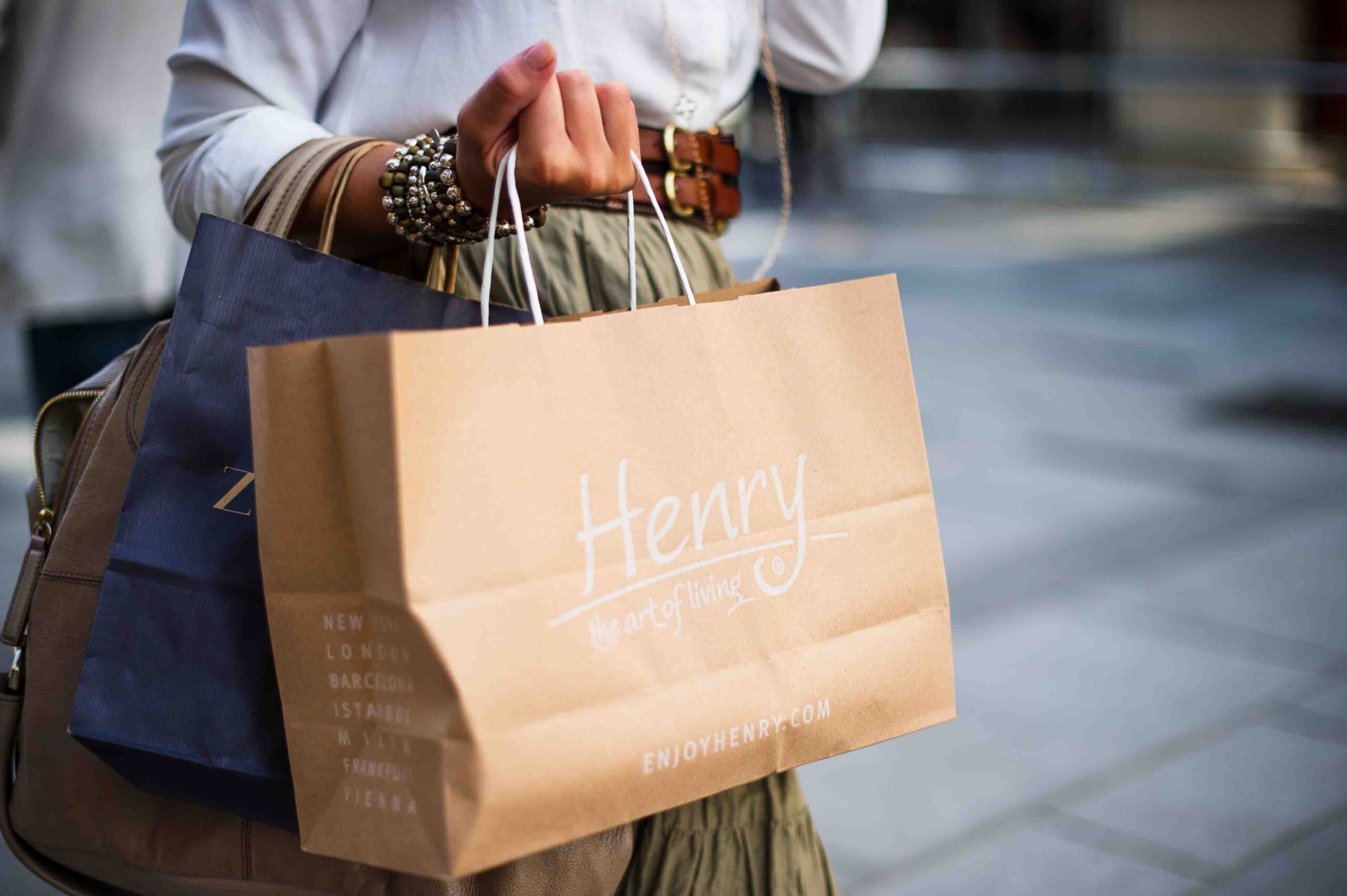
Last week, the fashion giant Vogue published an article on what the experience of shopping can be like if you’re neurodiverse. Busy stores, bright lights and crowded aisles can all contribute to a feeling of uncomfortableness and unease for some people who learn and think differently – and that’s before we think about the issues that somebody with dyslexia might have trying to read complicated labels or product information in a crowded and busy environment, or the ways that somebody with ADHD might struggle to keep their mind fully on the task that they came into the shop for. Somebody with Autism or high sensitivity might experience sensory overload in stores where there are a lot of things happening at once or a combination of harsh light and loud sound; and somebody with dyscalculia might struggle with prices that don’t have VAT already added, or keeping to a budget when they’re trying to add up multiple prices as they go along.
Problems can also arise when multi-sensory marketing comes into play. You can find this is stores such as Lush, where more than one of your senses are engaged in your buying process – not only are there stacks and stacks of bath bombs all over the place with bright colours, glitter and more, they also all have a unique smell. Some people love this kind of shopping experience and describe it as a feast for the senses – but some people find it difficult to concentrate, or feel overwhelmed by the sheer amount of different things that their senses are processing. Add to that the near-constant music that most shops and stores all over the world play through their speakers, and there’s actually a lot going on for neurodiverse minds to contend with.
The truth is, in-person shopping isn’t truly set up for the neurodiverse community in the way that it needs to be.
With retailers trying harder than ever to tempt the public back into in-person shopping, we’re living in a world of sales and new product launches that can make even the most tried and tested shopping environments feel crowded, uncomfortable and rushed. The underlying anxiety of Covid-19 transmission has an impact too – it’s just another thing to contend with when you enter a premises and find that you’re struggling or feeling a little off-kilter, or tasks that would be fine when performed at home at your desk feel a little out of reach. A huge percentage of the world are neurodiverse – the BBC reports that it’s thought to be 1 in every 7 people, but this could be much higher when we consider how difficult some neurodiversities are to spot – so that’s approximately 14.5% of the people in a store at any given time could be having a less than ideal shopping experience.
It’s not a model we can apply across the board though. Some people who are neurodiverse love the shopping experience, and relish the interpersonal aspects of it – being part of an excited sale crowd, meeting up with friends and trying out new tastes, sights and smells can be something that they thrive on. And conversely, many neurotypical people might experience similar aversions and frustrations to many of the aspects of shopping mentioned at the beginning of this article. But that remains is that the in-person shopping experience can make people feel overwhelmed and anxious, and that’s something that we need to address if we want to create a world where people who learn and think differently are included and feel valued as customers at all levels of a commercial system.
The online world is beginning to put neurodiversity at the heart of the developments it makes – many websites now offer text-to-speech and screen reading capabilities; many websites offer accessibility views, and the advent of baskets that automatically add up your total as you shop have been great positive changes. Many adverts now offer captioned video, too, and have moved away from flashing or shifting banner adverts which can cause problems for people who have dyslexia or ADHD. But the real word appears to be lagging far behind in terms of the real-word quality of life changes that can be implemented for the neurodiverse community.

Something as simple as turning off music can make all the difference to somebody with Austism when they’re out shopping for the perfect gift, and printing labels in a dyslexia-friendly font can really change the buying experience of somebody with literacy differences. Some things might be difficult to change – crowds, pricing systems and branding to name but a few – but even something as simple as designing retail outlets with wider aisles to avoid crowding, and dimming the bright lights above counters can be enough. Little changes like these can turn in-person shopping from a chore to be avoided to something that neurodiverse people feel secure in and able to deal with.
Some people are always going to prefer shopping online: it’s easier for a lot of people, and it’s convenient in an age where many of us are still rightfully nervous about social contact and the transmission of a virus that has changed life as we know it, potentially for good. But there are many people out there in the world who would relish the opportunity to hit the shops if only it weren’t so uncomfortable and difficult for them too. It’s time to take a look at the way we design our shopping experiences, and what we can do to throw the doors open to everybody, instead of just the neurotypical shoppers – it’s happening online, and we’d love to see physical retail continuing the trend.