Subscribe to Our Newsletter
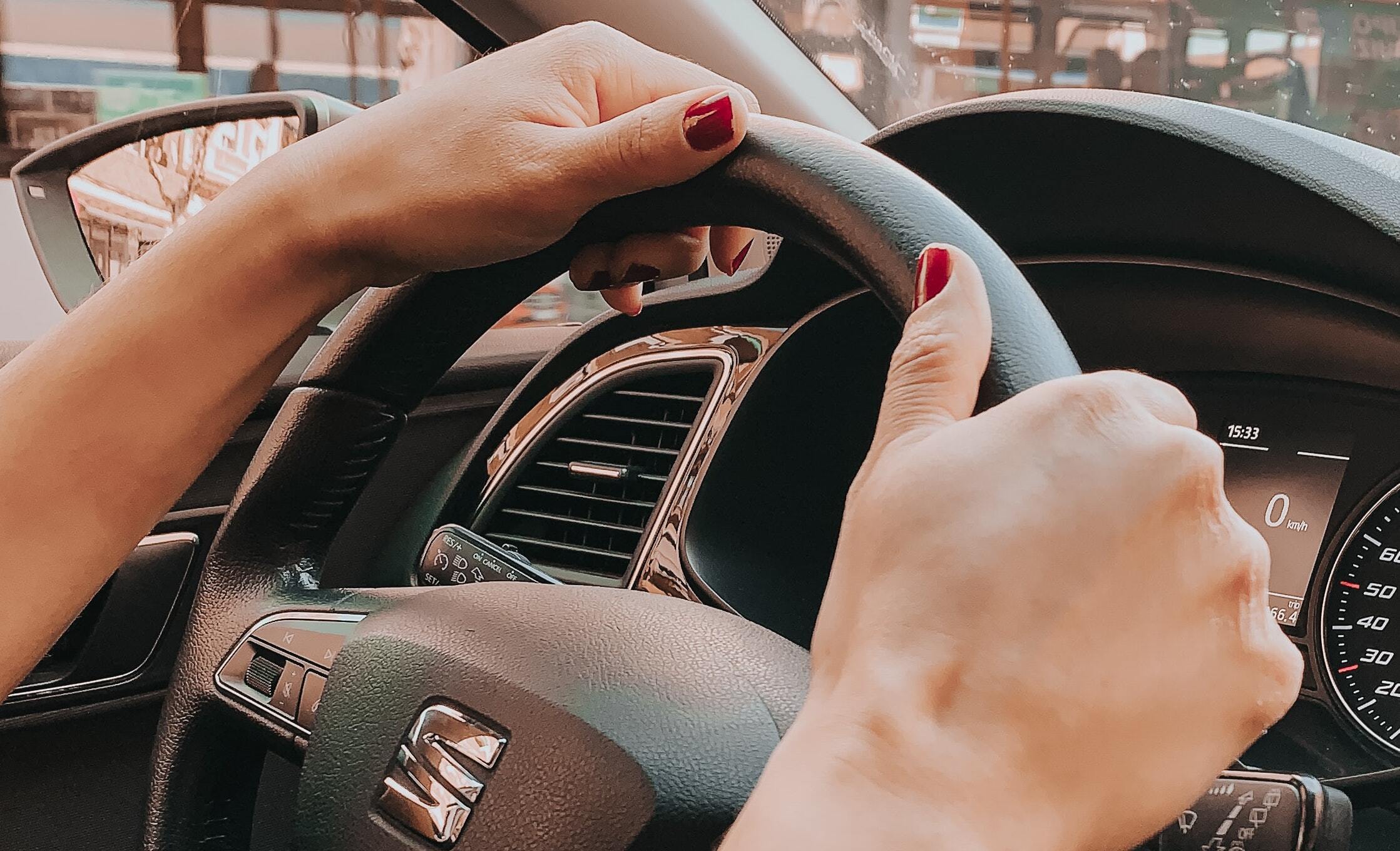
Learning to drive is tricky. It’s a whole new language of hill starts, gear changes, and probably even a couple of terrifying moments on roundabouts that most of us would like to forget. Unfortunately, it’s usually necessary in this day and age unless you’re lucky enough to find a job within walking distance of, or work from, home.
Learning to drive isn’t that easy for anybody, but for someone with dyslexia, it can be even more daunting. Some people with dyslexia can struggle with things like quickly determining lefts and rights or reading overly wordy road signs. It can also affect processes like remembering which order to do things in, using your hands and feet at the same time, or even affecting your short-term memory.
Having dyslexia might make the whole driving experience feel difficult or scary, but there are a number of things you can easily do to make the process much more accessible.
The British Dyslexia Association suggests taking lessons in an automatic car. This can make everyday driving a lot easier as it overcomes the need to constantly change gears; the car can do it for you. They also advise you talk to your instructor about your needs and practise on quiet roads until you’ve got the hang of things so there’s no unnecessary distractions.
When it comes to theory tests, it’s also important to remember that if you have dyslexia, it’s possible to make some adjustments to your testing experience. You can listen to the instructions through a headset, for example, or request a reader to help with the words on screen. You can also ask for double the standard 57 minutes in the UK, so you don’t feel rushed or flustered.
When the big day finally comes — that’s the practical driving exam — it doesn’t have to be scary. There are several adjustments available to someone with dyslexia, so don’t forget to talk to your instructor beforehand about what you need from them. They can’t change the test route, or the pass requirements, but they can make some small quality of life changes that’ll make the experience easier. They can show diagrams before the independent driving section of the test, for example, or slow down their directions and use left and right-hand gestures to support what they’re saying.
Learning to drive isn’t always a picnic, and many people who don’t have dyslexia still get nervous. It’s a natural response to something that you’ve not done before. The British Dyslexia Association has a full list of things you can do to make driving with dyslexia more accessible, and BulletMap™ Academy’s Dyslexia Explored podcast has a helpful episode where a learner talks about the dyslexia-friendly driving experience that helped her pass the test.