Subscribe to Our Newsletter
TL;DR: World Kindness Day is coming up on November 13th, and it’s a great chance to show kindness in ways that really matter, like making life easier for people with dyslexia. Did you know dyslexia can affect up to 1 in 5 people? It can make things like reading, remembering details, and writing a bit trickier. But with a few small changes, like sending messages in bullet points, sharing audio options, or just being patient in meetings, we can create a real difference for our dyslexic friends and colleagues.
Let’s talk about kindness and neurodiversity
Every November 13th, on World Kindness Day, our feeds are full of reminders to hold doors open, buy someone a coffee, or share a feel-good post on social media.
Those things are lovely, but real kindness means looking a little deeper, especially at the everyday challenges people around us might be facing.
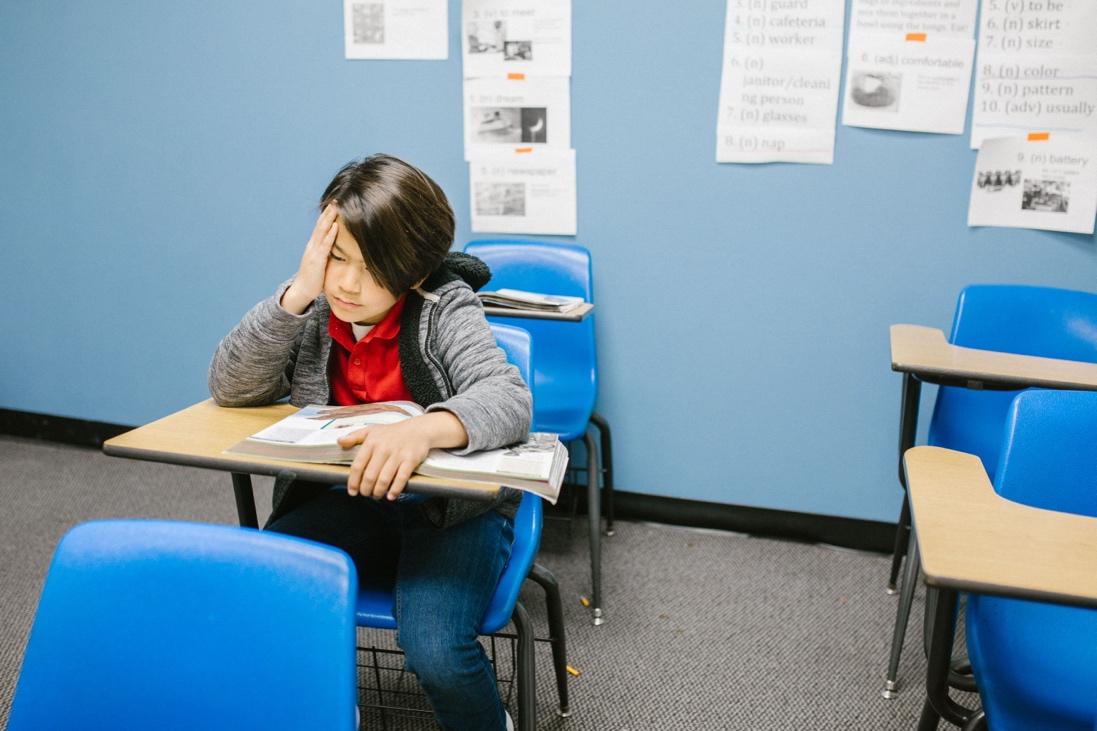
For millions of people with dyslexia, everyday places like offices, classrooms, and even group chats can feel like they’re built for someone else.
Long emails, speedy meetings without a clear plan, and the pressure to reply right away can all add up to a lot of hidden stress.
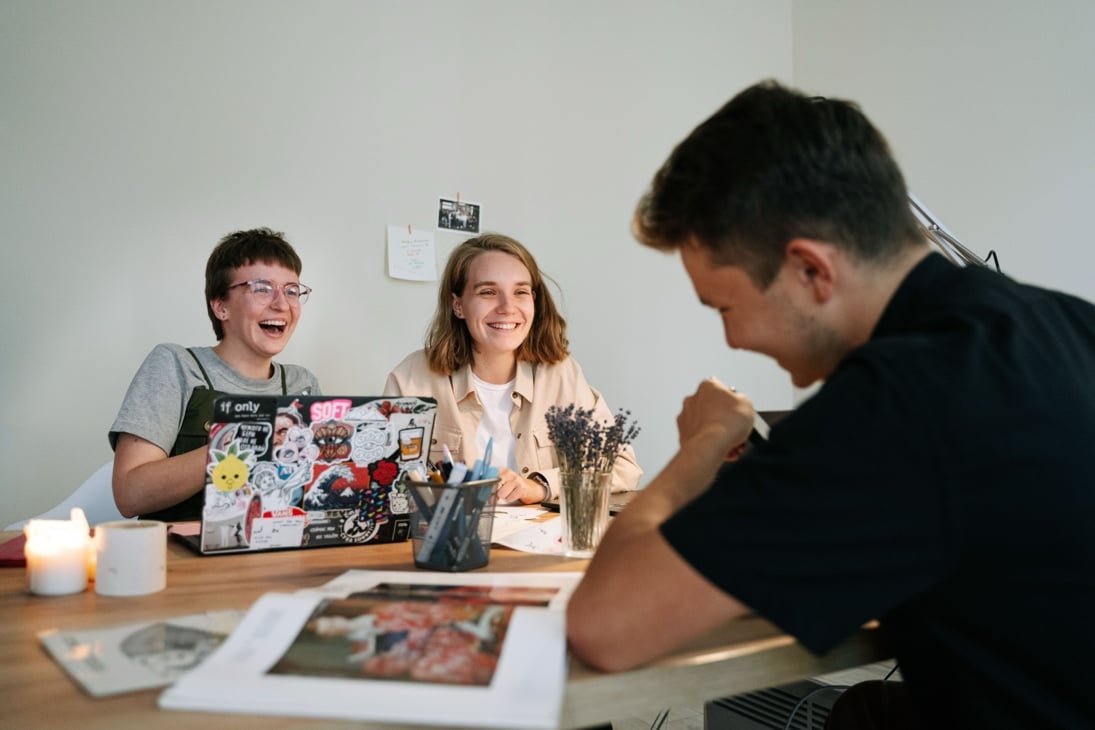
Supporting friends and colleagues with dyslexia isn’t about charity; it’s about fairness, respect, and seeing the amazing strengths that come with different ways of thinking. So, let’s look at some easy ways we can all help make things better for people with dyslexia, not just on World Kindness Day, but every day.
Understanding dyslexia: Beyond the stereotypes
First things first: let’s clear up what dyslexia really is (and what it isn’t).
Dyslexia is a different way of processing information that mainly affects reading and spelling, but it can also make things like remembering details, keeping organised, and working quickly a bit harder.
But here’s the big thing: dyslexia has nothing to do with how smart you are. In fact, many people with dyslexia have some pretty amazing strengths, such as creative thinking and the ability to spot things others might miss.
They also have exceptional design and engineering capabilities, engaging storytelling, and persuasive public speaking. All of these are strengths, often not associated with those who struggle with dyslexia.
When we show real kindness to people with dyslexia, we stop seeing it as something that needs fixing and start noticing the barriers that make things harder than they need to be.
Five ways to support dyslexic friends in daily life
Friendship is all about appreciating and looking out for each other. If you’ve got a friend with dyslexia, here are some simple ways to show you care:
1. Master the art of text-friendly communication
Texting and messaging are how we keep in touch, but big blocks of text can be tough for someone with dyslexia to read. Try breaking up your messages into short chunks or bullet points.
If there’s something important, such as where or when you’re meeting, make it stand out. This makes it much easier to spot the important stuff without feeling swamped.
2. Be patient with reading and menus
Choosing what to eat or reading a menu in a busy, dim restaurant can be stressful if reading isn’t your favourite thing.
If you’re heading out to eat, offer to check out the menu together ahead of time, or pick places with easy-to-read menus online, and try not to ask your friend to read aloud from the menu; this might put them on the spot and make them feel uncomfortable.
3. Embrace audio and visual alternatives
There’s more than one way to share ideas or enjoy things together; it doesn’t always have to be reading. If you’re excited about a book, why not get them to listen to the audiobook or discuss the podcast version?
You could also share a YouTube video or a cool infographic instead of a long article. This shows that there are lots of great ways to learn and share ideas.
4. Offer gentle, private help (when asked)
Things like filling out forms, booking travel, or reading tricky documents can be mentally exhausting. Let your friends know you’re happy to help; perhaps say, "If you ever want someone to check an email or look over a form, just ask."
Providing help in a friendly way shows real respect and what friendship is all about.
5. Celebrate their unique strengths
People with dyslexia can get really tired from always trying to keep up or hide their struggles in a world that isn’t built for them. So, make a point of celebrating their talents.
Tell them when you notice their creative ideas or great storytelling, and remind them that their value isn’t just about spelling or grammar; this helps build confidence and pushes back against self-doubt.
Five ways to support dyslexic colleagues in the workplace
Kindness at work isn’t just nice; it helps everyone do better. Making your workplace more dyslexia-friendly, whether you’re in the office or working from home, makes things clearer for the whole team.

1. Adopt "dyslexia-friendly" email formatting
Emails are everywhere at work, but big blocks of text can be really draining, so why not try using distinct headings, short paragraphs, and bullet points?
Pick easy-to-read fonts like Arial or Calibri and go for a softer background colour if you can; it really helps. This way, everyone can find what they need quickly and easily.
2. Provide agendas and materials in advance
Meetings can feel stressful if you need a bit more time to process information. One helpful tip could be to send out the agenda, slides, or main points a day in advance if you can. This gives everyone time to get ready and join in the conversation.
3. Ditch the "on-the-spot" writing tasks
Being asked to write notes on the spot or draft an email in a rush may feel really stressful. Share out note-taking or give people time to write things up later.
If someone needs to check a document, let them do it at their own pace. This helps everyone do their best work without feeling hurried or anxious.
4. Champion assistive technology and support tools
There are loads of helpful support tools out there, but sometimes people feel awkward about asking to use them. Let’s make things like reading pens, dictation, or screen filters normal for everyone.
Share these tools as ways to help the whole team work better; they take away any awkwardness and help everybody feel included.
5. Focus on content, not perfection in drafts
When you’re looking at a draft or generating ideas, focus on the ideas, not the spelling mistakes. Don’t correct someone’s spelling in front of others.
If you’re working together, offer to do a last review as a team effort. This helps everyone feel safe to share their ideas.
Frequently Asked Questions (FAQs)
What is the connection between World Kindness Day and neurodiversity?
World Kindness Day is about supporting empathy and breaking down barriers between people. Neurodiversity inclusion is a vital extension of this because invisible differences, like dyslexia, ADHD, and autism, often suffer due to a lack of awareness in standard social and workplace settings.

How do I know if a friend or colleague is dyslexic?
Many people are open about their dyslexia, while others may hide it out of fear of stigma. Rather than guessing, focus on creating an open environment for everyone.
When communication is universally accessible and stigma-free, people feel secure disclosing their needs on their own terms.