

Subscribe to Our Newsletter
Updated Sept 4th 2026: There’s something special about the start of term, isn’t there? New uniforms in the shops, fresh notebooks, and the buzz of meeting new classmates. But for a young person with dyslexia, that excitement can get buried under a wave of worry.
If reading and writing have always felt tough, the classroom can seem more like a minefield than a place to explore and grow. And when it’s time to move up a year or switch schools, those feelings can get even bigger, making everyday things feel like huge challenges.
Too often, people brush off back-to-school nerves as something everyone just must get over. But for kids with dyslexia, it’s more than just a case of the jitters.
It’s the pressure of past frustrations, the fear of being put on the spot, and the mental effort it takes just to keep up. No one should have to carry that alone. With a bit of planning, honest conversations, and the right support, we can make the school year positive and empowering.
Beat anxiety with assistive technology
At Succeed with Dyslexia, we believe it’s never too soon to bring assistive technology into a learner’s daily life. The support tool is a real game-changer. It helps build confidence and gives students the chance to learn on their own terms.
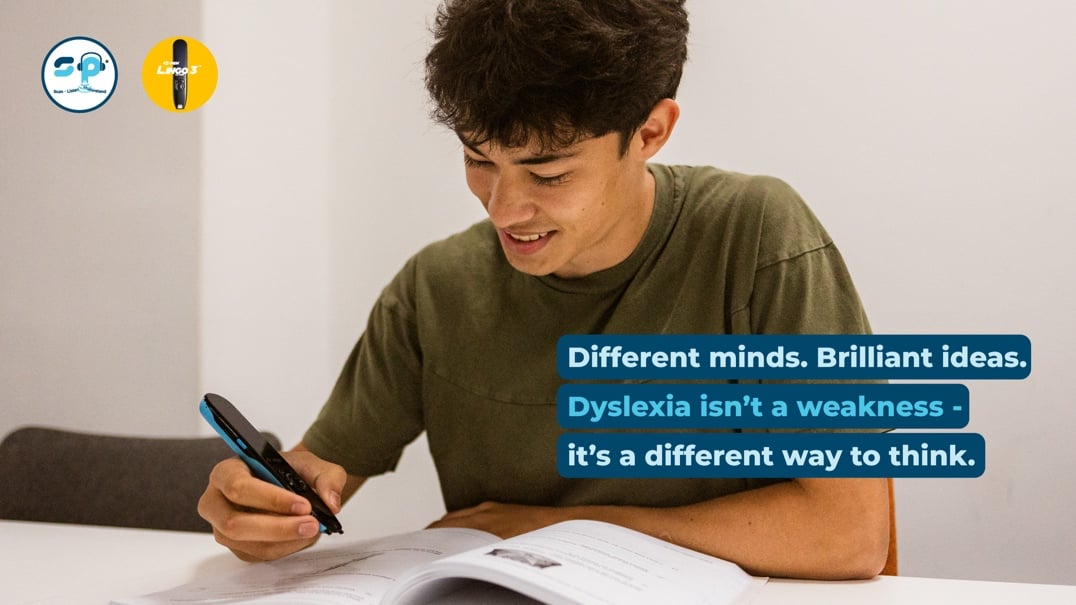
Instead of being a crutch, it takes away the awkward parts of learning, like reading tricky words, writing things out by hand, or keeping your thoughts organised. That way, students can really show what they know and get stuck into learning without anything holding them back.
Plan for exams
Exams might seem a long way off when autumn rolls around, but for many students, they’re always in the back of their minds.
For those with dyslexia, worries about tests and tricky learning gaps can cause stress all year long. The thought of timed writing, long question sheets, and strict rules can feel overwhelming from day one.

Sorting out exam support early can save a lot of last-minute stress. Chat with teachers, dyslexia specialists, or your school’s SENCO in the first few weeks to see what help is available.
This could mean extra time, a reader or scribe, using a laptop, or having short breaks during exams. Getting these things in place early means students can get used to them, so when test day comes, it feels familiar and much less scary.
Consider a dyslexia assessment
Lots of families go through school feeling like something isn’t quite right, but never get a clear answer. If your child is finding things tough, the start of a new school year is a great time to look into a full dyslexia assessment.
Dyslexia is about so much more than mixing up letters. It’s important for parents and teachers to look at the whole picture. Maybe your child is super creative and great at talking but struggles to get ideas down on paper.

Or maybe things like remembering instructions or following steps are tricky. A proper assessment can help everyone understand how your child’s brain works, and prove that being dyslexic has nothing to do with being lazy or careless.
Plus, it gives teachers a clear plan for how to help, like sharing lesson notes ahead of time, not putting kids on the spot to read aloud, and focusing on what they know, not just their spelling.
Establish homework routines
Summer holidays are all about letting routines slide. Bedtimes get later, mornings are slower, and everyone gets a break from strict schedules.
That’s important, but jumping straight back into early mornings and homework can be a real shock, sometimes leading to meltdowns or homework battles in the evenings.

The trick is to set up routines that work for everyone. Instead of letting homework hang over the evening, pick a regular time together to get it done. Try breaking work into short chunks, like 20 minutes on, then a quick movement break.
A calm, tidy space with items like headphones or fidget tools can help reduce distractions. And just being there to support your child, without any pressure, can make a huge difference in building good habits and keeping stress low.
Manage leisure screen time
Technology is a fantastic tool for learning, but it’s easy for screen time to take over after school. After a day of screen time and online lessons, too much extra time on phones, tablets, or games can strain eyes, mess with sleep, and leave everyone feeling a bit out of sorts.
Setting screen limits works best when it’s a family decision, not a punishment. Try making some parts of the evening screen-free to help everyone wind down.
Swap scrolling for fun family activities, like cooking, crafts, walks, or board games that get everyone thinking together. For solo downtime, audiobooks, graphic novels, or listening to stories with a scanner pen can keep the love of stories alive without increased screen time.
Going back to school always takes some getting used to, but dyslexia should never hold anyone back from doing well and feeling good about themselves.
When we speak up early, use helpful tools, build routines at home, and work together with teachers, we can help every student feel proud and ready to take on the year.