
Subscribe to Our Newsletter
Dyslexia and cooking aren’t always the most straightforward combination to work through. Although dyslexia impacts everybody differently, many people who have dyslexia report that cooking is one of the tasks that they look forward to the least.
True, we don’t have to read too much to dice a carrot or sear a steak or (if you’re more like us) throw some warm water at a block of ramen noodles… but cooking does rely on some of the skill areas that many individuals find their dyslexia impacts. It can make the kitchen a stressful place to be, especially when you’re cooking to a budget or for a special occasion— but alternatively, you might be one of those dyslexic chefs who love cooking and the creativity that you can bring to it.
It's a complicated landscape, so today we’re taking a deep dive into dyslexia in the kitchen.
A closer look at reading, dyslexia and cooking.
It might be as simple as finding it difficult to navigate cooking-related reading. Somebody needs to have a quiet word with the people who design food packaging because the whole ‘tiny font cooking instructions on a pure white background’ isn’t an ideal combination for dyslexic chefs, and a fundamental new element of danger enters into that process when you’re looking for food contents and allergy information. It’s the same when we come to recipes: bullet points, audio, images, and simple instructions are the best recipe medium for many people with reading differences.
Information navigation might also be a problem when it comes to taking in longer texts alongside dyslexia and cooking. Those online recipe articles where you have to read through 500 words of somebody’s memories first, and then the recipe is somehow written into the story? Fatigue sets in, you feel shut out, and it’s challenging to motivate yourself to muddle through when you know you could probably just get the same thing delivered to your door.
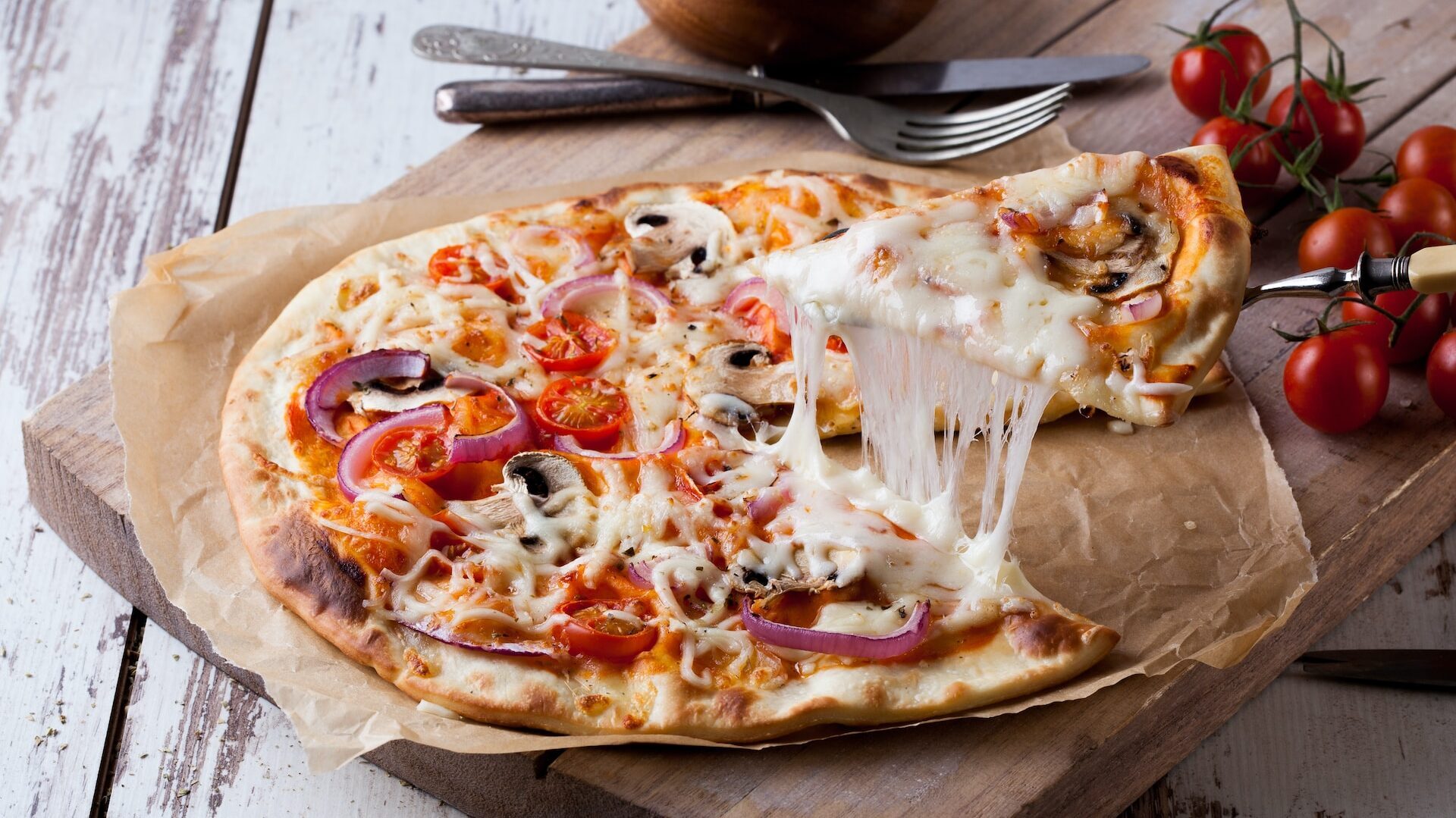
Dyslexia problems cooking up trouble?
It’s not just about the words. Some people with dyslexia find that it impacts their timekeeping, sequencing and memory skills. When you’ve got multiple saucepans on the stove or a recipe with several ingredients, dyslexia can mean that we make a lot of minor omissions, struggle to see a narrative, or process things in a different order than on the page.
Perhaps you were supposed to leave the eggs to boil for five minutes and find that you can’t really remember when you started them off, you forgot to add butter, or the sheer amount of different steps in a recipe just made you feel anxious and overwhelmed. Perhaps it’s even simpler— you’ve spent a day at the office reading and masking, and you simply don’t have the emotional resources to embark on a meal prep project that’ll leave you feeling drained.
Whatever the individual reasoning on any given day, many people with dyslexia find cooking is something that they struggle with or simply don’t have the mental bandwidth for.
Dyslexic and Cooking, Dyslexic Chefs... and Culinary Disasters
Although it might sound a little strange, another way that dyslexia and cooking can prove a troubling combination is confidence.
All it takes is one charred turkey at Christmas or one unfortunate bout of food poisoning when you misread the cooking times. In doing that, we’ve created a bad food recollection, creating a permanent site of memory where we link dyslexia and cooking negatively. These memories can hang around for a long time and hugely impact our confidence in the kitchen. It can take a lot to feel positive enough to try again, especially when somebody might have internalised the idea that their dyslexia might thwart their efforts at every turn.
But is it a problem?
Not drastically: as long as you’re getting all the vitamins and minerals you need, it’s not a requirement of being a functioning human being to be able to make a spaghetti carbonara.
However, you might find that issues arise when you’re navigating dyslexia and cooking to a budget. In a lot of places, it’s still far cheaper to cook from scratch instead of buying pre-made meals. If you’ve only got a limited allocation on your household budget for food you might find that there’s pressure on you to get to grips with recipes that make food go further or meal prep for a week at a time.
It may also be an issue if you’re cooking for others, especially children and young people who might be fussy about food and require things to be prepared a certain way or add certain elements— although people with dyslexia tend to be very adaptable, changing up your rehearsed recipes might take a leap of confidence.
🍝 Interested in cooking with dyslexic kids? Check out this handy how-to article by Bunch.
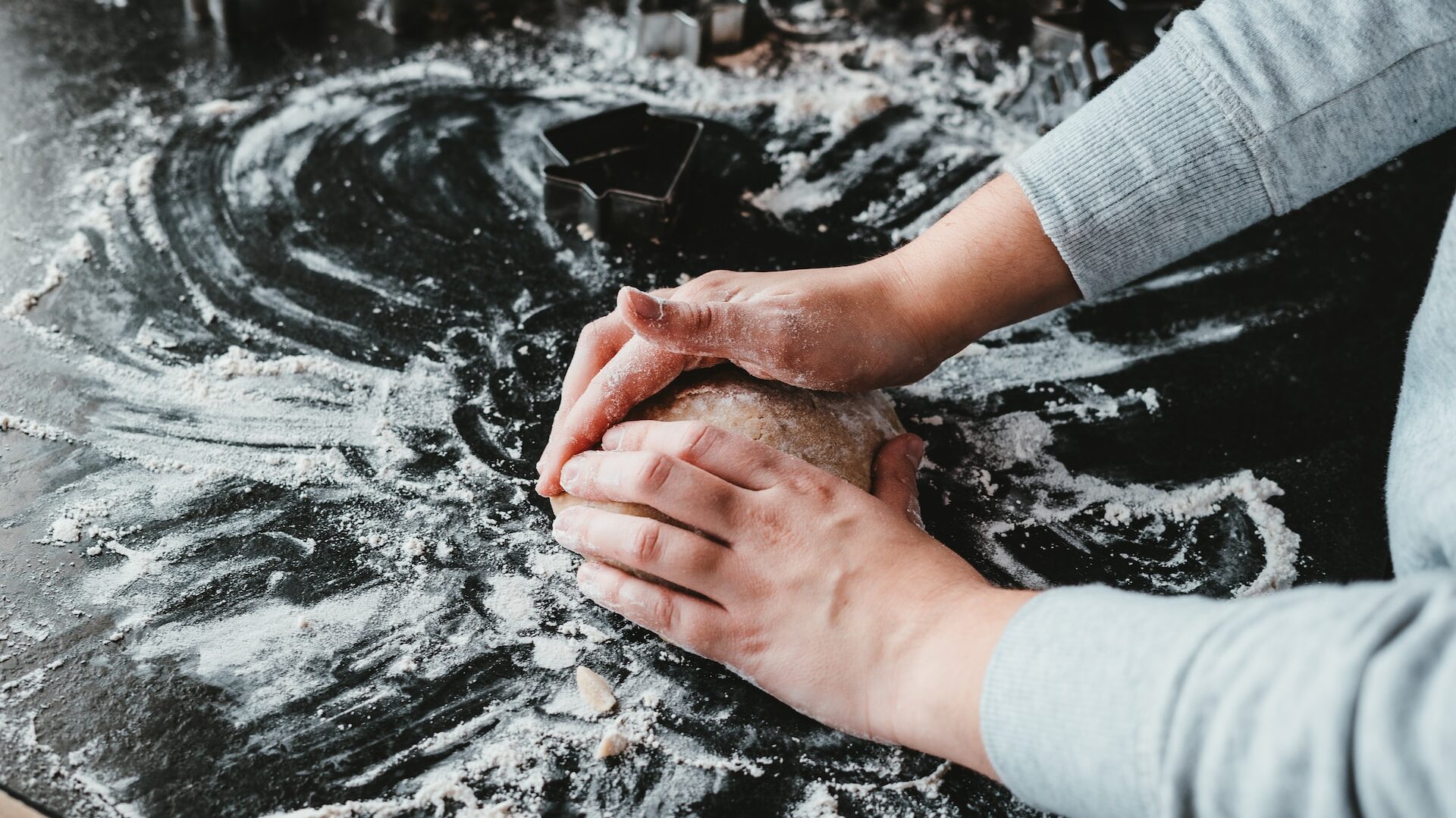
Dyslexia and Cooking and Creativity
Meanwhile, some people with dyslexia greatly enjoy cooking.
If you’ve got a very investigative mindset, love experimenting with new things to find out what works, or you’re one of those lucky people who learned to cook from a teacher or family member and don’t have to rely on reading, there’s a chance you’ll feel very at home in the kitchen. You might also just be a real foodie, and you’re motivated to decode the recipe book with a text-to-speech aid, or set up a screen reader for the web. Whatever it is, it’s a real gift and a great creative outlet.
Although cooking might make some nervous, it can be a great way to make art and many people find it helps them bust stress and forget about the outside world for a couple of hours. There are many links between dyslexia and creativity, and some people make it their art form: there are a number of celebrity chefs who have dyslexia. Some, like Jamie Oliver, actually say that it was the kitchen that provided them with confidence and wellbeing boost after having negative experiences in the education system.
Dyslexia Cooking Hacks
This isn’t a ‘best foods for dyslexia’ list: some dyslexic people do report that they feel less anxious when they stick to some dietary guidelines, but others also report that their diet has absolutely no bearing on how they interact with words and feel about it. Do whatever works for you!
When it comes to dyslexia and cooking, however, there are a few hacks that might prove handy if you’ve got to tackle from-scratch cooking or a more complicated recipe setup than usual.
- Make sure you have a reading aid on hand, whether that’s a pen-style device or a screen reader downloaded to your browser.
- Start small: it’s probably going to be simpler to master the basics first (cookies, pasta dishes, cold meals) and then progress into complex multi-step meals later (an entire roast dinner, soup course and apple pie) when you’ve garnered the skills and the confidence.
- Remember that there’s a wealth of recipe information online in video format too: often, you can watch somebody make a dish as opposed to just reading about it, and many people find them easier to follow along with.
- Create a physical narrative in the kitchen. If your recipe has 4 component parts, group ingredients and tools together on the counter and address them in order.
- If you know what you’ve got to do but you’re worried about remembering every element, create a tick chart or to-do list and stick it to the oven door or refrigerator.
- Cook with friends! Especially if you’re just starting out, having somebody around can make decoding and finding the confidence to cook a little easier.
- Remember that everybody makes mistakes and might find they struggle with their motivation. It’s completely normal, and it doesn’t mean you’re incapable and will never master it.