
Subscribe to Our Newsletter
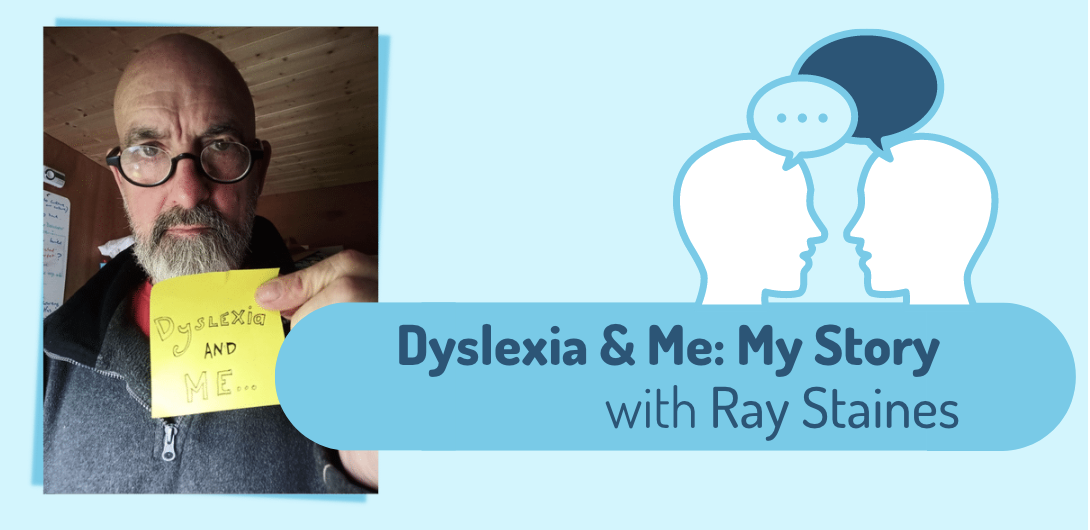
I was born in 1957 to working class parents in inner city London. I learned very little at school but taught myself electronics – my first trade. Mental health issues put an end to this career and lead to my psychosis in my early 20s. In my recovery period I became a carpenter, then a professional yachtsman… and I’m now starting an EdTech business at the age of 65.
Part 1
The most enduring lesson that I learned at school was that I was somehow different from the other kids. I was as thick as a brick; no good at anything remotely “clever” or “intellectual”. My predominant emotions were shame and embarrassment. At an early age I developed Social, Emotional and Behavioural Difficulties (SEBD) and later on, I suffered from depression and anxiety. I used alcohol and drugs in my early teens and could easily have drifted into crime.
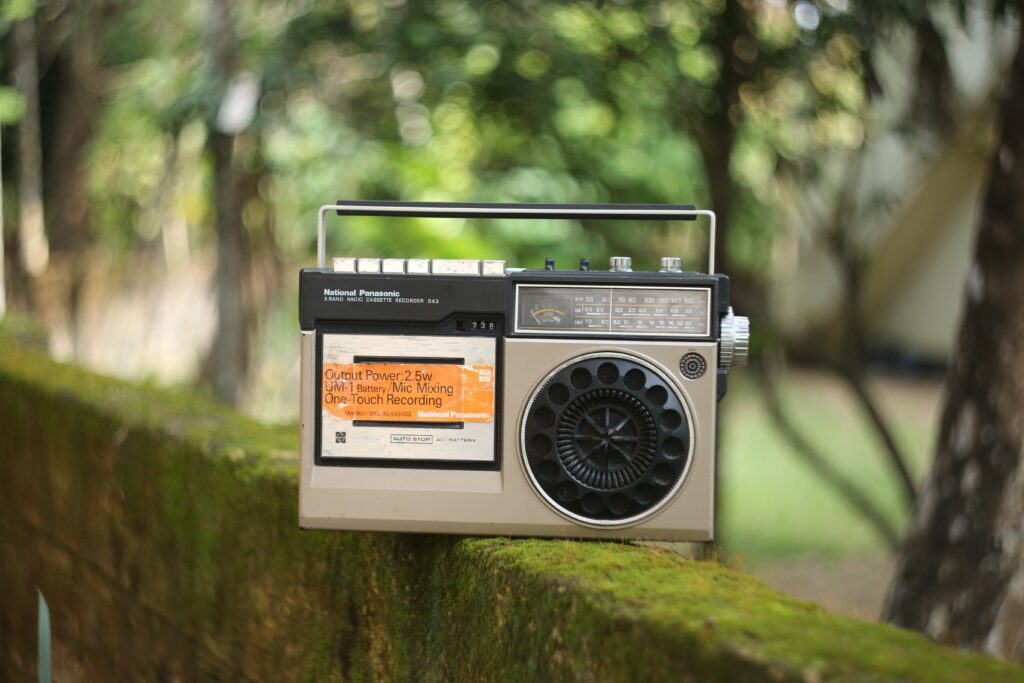
But behind my bedroom door I lead a parallel life: I taught myself electronics and built radio transmitters from the parts of broken TVs, sending radio signals out into the aether. I contemplated the nature of electromagnetic radiation, the theories of Special and General Relativity, and immersed myself in the mysteries of cosmology.
The schism between these deeply embedded but disparate identities created a profound cognitive dissonance. That, and the negative impact of my school experience gradually eroded my mental health, and in my early 20’s I suffered a significant psychosis. I spent 6 months in hospital and years in recovery. But losing my mind was probably the best thing that could ever have happened to me... it gave me a completely fresh start.
Part 2
I began by learning carpentry and found work in the building trades. I built my own sailboat, lived afloat and sailed four times across the Atlantic. I delivered yachts around the Mediterranean, ran a charter yacht in the Caribbean and invented a patented system of astronavigation. Then I took to the skies and qualified as a cross country glider pilot.
I began to suspect that I wasn’t so thick after all, so at the age of 39, I plucked up the courage to enrol on a Marine Sciences access degree course. I got good grades, even a couple of 100% marks in physics, something I was told that doesn’t happen that often. But in maths and statistics, I struggled with the simplest of tasks. Writing an essay required a herculean effort. This got the attention of the special needs tutor and I was eventually diagnosed as dyslexic with co-occurrent Language Processing Disorder.
To make a big understatement: this explained a lot... if my breakdown was a catharsis, this diagnosis was an epiphany.

Part 3
It became very clear to me that my failure at school and my troubled start in life stemmed from the consequences of being slow to learn to read and write and being labelled as a “non-achiever” in a one-size-fits-all education setting. I developed a deep feeling that a change in the way that I had been taught would have made all the difference to my well-being, my mental health and my life chances in general. I also realized that this applies to the 5.1 million functionally illiterate adults in the UK alone!
So, I made it my mission to create a pre-emptive and neuro-inclusive system for helping undiagnosed dyslexics and slow readers - early on, before they failed.

Part 4
With the help of SETsquared Exeter and Exeter University I am developing a learning platform that detects learning differences to provide early diagnosis of dyslexia. We are prototyping the platform and hope it will be used in families, schools and preschool settings throughout the UK. The breakthrough could be a simple way to identify dyslexia and other learning differences. Early identification of dyslexia would allow educators and parents to intervene earlier, and would increase the child’s chances of avoiding exclusion. Success in this venture will be an awesome step forward in my ongoing dyslexia journey and I am giving it 100%.
What is Dyslexia & Me ?
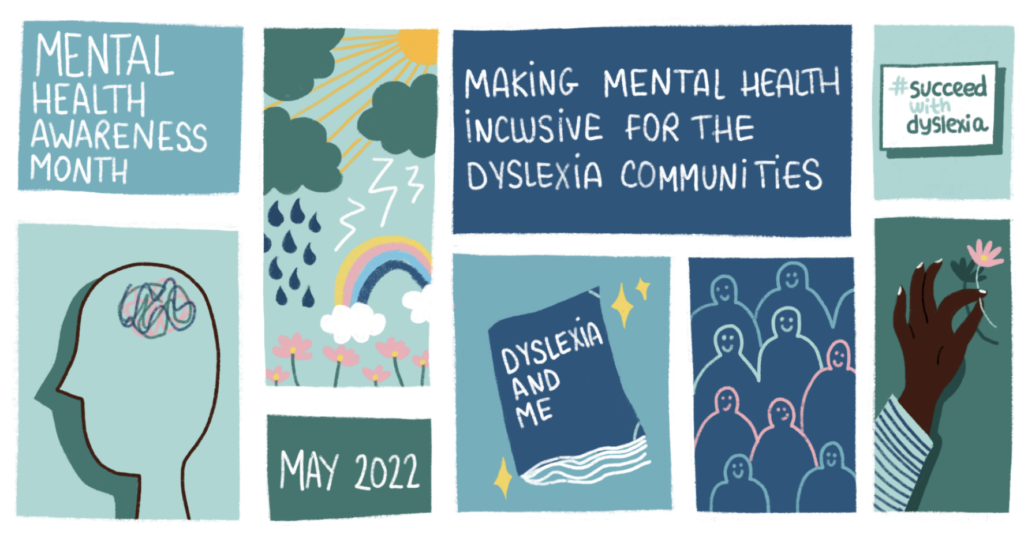
Dyslexia & Me is a new global campaign initiative where Succeed With Dyslexia will be exploring the narratives of dyslexic people when it comes to mental health, and exploring just what mental health can mean to the global dyslexia community in 2022. The campaign will centre on deep-dive media on the relationships between dyslexia and mental health, raising awareness and changing global mindsets for a more open and accessible future, and will work towards developing a better public understanding of the importance of diagnosis and challenging accepted mental health norms in the workplace and in education. The campaign will also feature first-hand narratives truly bring the narrative back to the people whose lived experience is affected by dyslexia on a daily basis, as well as provide engaging, practicable strategies to reach out and connect with resources and support designed for people on their dyslexia and mental health journeys. If you'd like to share your story with us, drop us a line at info@succeedwithdyslexia.org, or drop us a line on any of our platforms on social media.