Subscribe to Our Newsletter
TL;DR: Yes, dyslexia can affect maths. It can make reading word problems, remembering number facts, following multi-step instructions and keeping track of calculations harder. Some children also have dyscalculia—a separate learning difference that affects number sense, such as understanding quantities, estimating and seeing how numbers relate..
Dyslexia and dyscalculia are different, but they can overlap and often occur alongside other learning differences like ADHD or dysgraphia. If your child is working hard but maths still feels like a struggle, speak to their teacher or the school’s learning support team. Understanding the pattern early can help you put the right support in place.
--
When maths homework becomes a worry
If your child can retell a story in great detail but freezes when the maths homework comes out, you might start to wonder whether something more is going on.
That’s a common worry-and noticing it early is a really positive first step. Dyslexia affects around 5–10% of people, and for many children, maths is part of the picture too.
Can dyslexia affect maths?
Yes. Dyslexia is best known for affecting reading, spelling and writing, but it can also make learning maths harder for some children. It is not about intelligence, motivation or how hard a child is trying.
Maths relies on a range of skills that dyslexia can make trickier, including:
- Reading and understanding word problems
- Remembering times tables and number facts
- Following multi-step instructions in the right order
- Holding numbers in mind while working through a problem
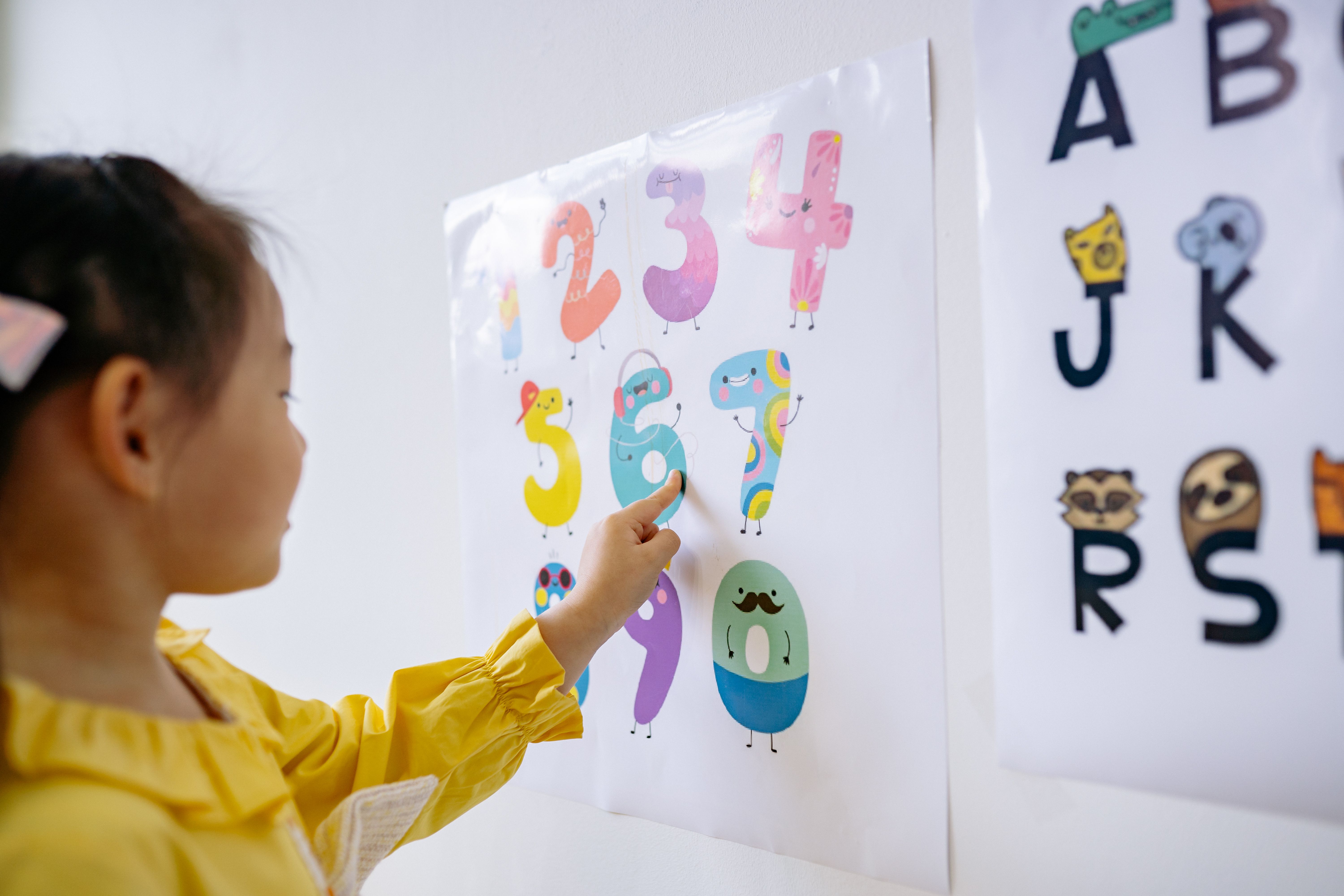
- Telling similar-looking numbers and symbols apart, such as 6 and 9, or + and ×
So, a child with dyslexia may understand exactly how to solve a problem but get stuck on the wording of the question.

What is dyscalculia?
Dyscalculia is a specific and persistent learning difference that affects how someone understands and works with numbers. It is sometimes called “maths dyslexia”, but it is a separate condition.
Children with dyscalculia often find number sense difficult. This can include knowing which number is bigger, estimating amounts, understanding place value, or seeing how numbers relate to one another. It's estimated to affect around 4–6% of people.
How are dyslexia and dyscalculia different, and can they occur together?
Dyslexia mainly affects how the brain processes the sounds and written symbols of language, making reading and spelling harder.
Dyscalculia mainly affects how the brain processes quantities, number relationships, and calculation.
Because they are different, a child can have one without the other. However, they can also occur together, and both may overlap with other learning differences such as ADHD, dysgraphia and dyspraxia. Research suggests children with dyslexia are more likely than their peers to also have dyscalculia.
What are the signs of dyscalculia and maths difficulties in children at school?
Every child develops at their own pace, so one sign on its own does not mean much. Look instead for a persistent pattern across different situations.
1. Trouble remembering number facts
A child might practise their times tables again and again but still forget them the next day.
2. Counting on fingers long after classmates have stopped
Lots of kids do this at first, so it’s only a clue if it continues well beyond the early years.
3. Struggling with word problems
They might understand the maths when someone reads the question aloud, but get lost when reading it themselves. This is more typical of dyslexia.
4. Difficulty telling the time or handling money
Analogue clocks, coins and change can feel really confusing when it comes to estimating or measuring.
5. Avoiding maths altogether
Tummy aches before maths class, or saying, “I’m just bad at maths”, can be a sign of worry rather than lack of ability.
Is it dyslexia, dyscalculia or both?
It can be hard to tell at home, and that’s okay. Hearing or vision problems, anxiety and other learning differences can look similar too.
As a rough guide:
-
If maths is difficult but reading and spelling are generally fine, dyscalculia may be worth exploring.
-
If reading, spelling and maths word problems are all difficult, dyslexia may be playing a bigger role.
Many children can display traits of both, so when concerns arise, a formal assessment can help provide clarity on what is really going on, whether additional support is needed, and which resources may be most effective.
Can maths anxiety make things harder?
Yes. Many children with dyslexia or dyscalculia start to dread maths after a few frustrating experiences. That worry can make it harder to think clearly, remember steps and try new strategies. This feeds back into anxiety and the cycle continues.
What should parents do if their child is struggling with maths homework?
Start by chatting with your child’s teacher or the school’s learning support team. They can help you understand what might be happening, if there's support available, and best steps moving forward.
It's recommended to:
- Keep a brief note of the early signs spotted, and how long they’ve been happening.
- Share with the school and ask if they can carry out a learning screening or arrange a fuller assessment.
- Arrange a hearing and vision check, as these can sometimes affect learning.
- Speak to your GP if you’d like further advice or want to rule out other possible causes.
You’re already doing a lot to support your child. And the good news is that schools can put extra support in place straight away—whether or not your child has a formal diagnosis.
After investigating, how can you support maths at home?
Small, regular practice often works better than long, stressful sessions. We want to keep things playful and pressure-free as to avoid anxiety build up, and encourage children to have confidence in their abilities. Celebrating effort rather than just the right answer, helps to create this friendly environment.
Try these ideas out and see how you get on:
- Break word problems into small steps and read them aloud together
- Use real-life math in everyday activities such as cooking, shopping, and games
- Use colour to separate different steps or symbols
- Try hands-on tools like blocks or counters, or even rewrite and draw the problem out
What impact can maths difficulties and dyslexia have beyond education?
Children with dyslexia and dyscalculia can absolutely thrive beyond education, but unfortunately, they don't just disappear when school ends. Even in adulthood, they may find budgets, spreadsheets, rotas, or written instructions more challenging in places like work. But with the right support, clear step-by-step instructions, and assistive technology equipped, people with dyslexia or dyscalculia are often able to manage these challenges and thrive.
Maths difficulties aren’t a label; they’re a clue
Understanding why maths feels hard isn’t about putting a label on your child. It’s about working out how they learn best and getting support in place before their confidence takes a hit.

Dyslexia can affect maths through reading, memory and sequencing, while dyscalculia affects how the brain handles numbers. Having one, both or neither doesn’t define anyone’s potential. Trust your gut, keep things positive, and don’t be afraid to ask for help early.
Have you noticed maths struggles in your child, or in yourself? Share your story in the comments; your experience could really help another parent.