

Subscribe to Our Newsletter
We’re kicking off our February focus on prisons, literacy and vulnerable adults with a couple of do-you-knows to set the scene.

According to The Shannon Trust, just over 50% of people in prison either can’t read, or struggle to read at the expected adult level.
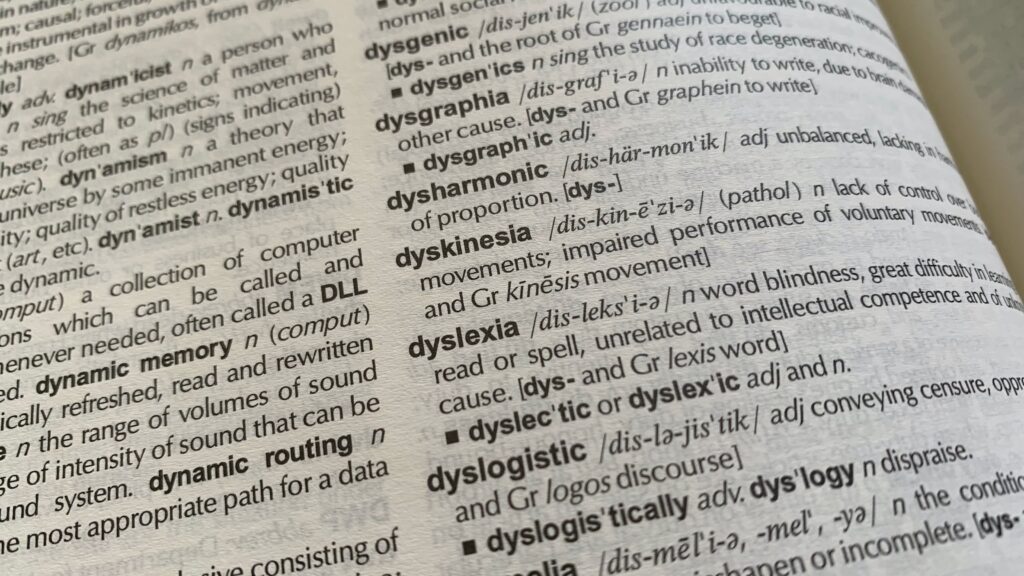
And over 30% of people in prison are suspected to have dyslexia as part of this trend towards low literacy.

In fact, about half of the people who are currently in prisons are thought to have some form of neurodiversity or learning difference, such as dyslexia, ADD/ADHD, and autism.

Students with disabilities and neurodiversities are twice as likely to be suspended from school.

This might be due to SEN specialist under-resourcing and the ‘fight’ response that’s sometimes triggered in neurodiverse learners when they’re struggling, anxious and disenfranchised.

…Students who are suspended are twice as likely to end up in the youth justice system, as well as be expelled or drop out of education altogether.

And students who leave education in one of these ways are three times more likely to be arrested.

There’s a model that demonstrates this pretty accurately called the School-to-Prison Pipeline. We’ll be taking about it a little more both on the blog and in our news and webinars over the month of February.